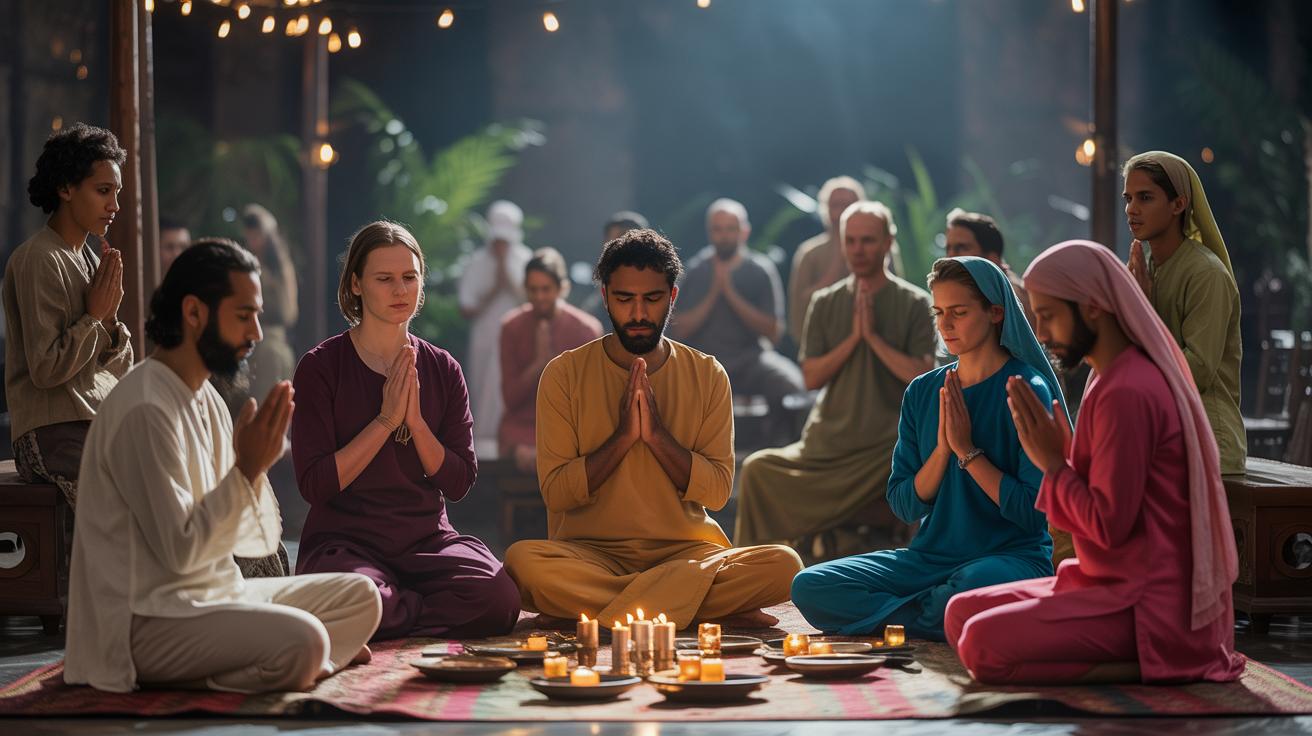
What You Need to Know
- 🕰️ Ancient Roots: Fasting has been a vital practice for various ancient cultures, seen as a spiritual and religious discipline connecting believers with the divine.
- 💡 Modern Trend: Intermittent fasting has gained popularity in contemporary wellness circles, touted as a tool for weight management and metabolic health.
- 🔍 Scientific Insights: Research suggests fasting may offer numerous health benefits, including improved insulin sensitivity, detoxification, and enhanced brain function.
- 🌍 Cultural Significance: Fasting plays a key role in many cultural traditions, highlighting its significance beyond individual health, encompassing spiritual and communal identity.
- 🤔 The Dual Nature: While deeply historical, fasting continues to be relevant today, embodying both the wisdom of the past and new-age health exploration.
In our fast-paced modern world, it seems challenging to find practices that stand the test of time, yet fasting is one such remarkable journey that has transcended centuries. Rooted in ancient traditions and woven into the fabric of various cultures, fasting was once solely observed for spiritual purposes. Today, however, it has gained momentum for its potential health benefits. Is fasting simply a trendy gimmick of today, or is it indeed a timeless way to connect with our bodies and minds? In this exploration, we’ll delve into its rich history, current allure, and the profound reasons behind its enduring presence.
The Ancient Roots of Fasting
Fasting is far from a new phenomenon; its roots can be traced back to ancient civilizations where it was practiced for spiritual and religious reasons. Cultures, including those in Egypt, India, and Greece, incorporated fasting as a fundamental part of religious observance and self-discipline. For instance, ancient Greeks believed fasting could increase clarity and strengthen the mind for philosophical exploration. Religious texts across numerous faiths, like Christianity, Islam, and Buddhism, reference fasting as a means to purify the soul and demonstrate devotion.
The significance of fasting in ancient times was not merely about abstinence from food but rather about forging a deeper connection with the divine. These practices were revered because they epitomized a commitment to faith and the ability to transcend physical needs in pursuit of spiritual enlightenment. Indeed, the roots of fasting are rich with symbolism and historical importance, marking it as a timeless practice.
Fasting in the Modern World
Today, fasting has evolved beyond its spiritual origins and emerged as a notable trend in health and wellness. Terms like intermittent fasting have entered mainstream vocabulary, bringing fasting to the forefront as a promising weight management tool. Proponents argue that structured fasting schedules help reset metabolism, promote cellular repair, and reduce inflammation.
While it may seem like a modern fad, the practice is grounded in the understanding of ancestral eating patterns where food was not always available. This historical context provides a basis for modern fasting methods, suggesting that short-term fasting may align more closely with our natural physiology due to evolutionary adaptations. Modern research, thus, sheds light on the potential benefits of fasting, catalyzing its integration into daily life for health reasons.
Health Benefits and Scientific Insights
An increasing body of scientific research supports the numerous health benefits of fasting. Studies indicate that fasting can help improve insulin sensitivity, detoxify the body, and enhance brain function. There’s also evidence to suggest fasting may aid longevity by activating certain biological processes linked to metabolism and cellular repair.
A critical examination of recent studies offers compelling insights into how fasting impacts the body. Here’s a brief list of potential health benefits:
- Weight Loss: Fasting can help regulate calorie intake, contributing to weight management.
- Metabolic Health: May improve blood sugar control and decrease the risk of type 2 diabetes.
- Brain Function: Some research suggests fasting may reduce oxidative stress and inflammation, contributing to better cognitive health.
Despite its potential perks, fasting should be approached responsibly, considering individual health needs and consulting with healthcare professionals where necessary. It is imperative to balance the enthusiasm over its benefits with well-informed choices to maintain wellness.
Cultural Perspectives and Personal Stories
Fasting is not solely a personal wellness initiative; it’s deeply entwined with cultural identities across the globe. For example, Ramadan involves a month-long daily fast, reflecting devotion and self-restraint among Muslims worldwide. Similarly, Yom Kippur holds significance for Jewish communities, emphasizing reflection and atonement.
Include personal testimonies from individuals who fast for both spiritual and secular purposes to illustrate these cultural ties. Many report feelings of spiritual renewal, control, and enhanced mental clarity. These experiences underline the dual nature of fasting — as a path to both physical health and spiritual well-being. Such personal stories symbolize the transcendence of fasting beyond trendiness, enveloping both past wisdom and present relevance.
As we unravel the timeless vs. trendy debate around fasting, it’s clear that this ancient practice embodies multiple dimensions—spiritual, cultural, and health. While the modern iteration of fasting focuses on physical benefits, its profound spiritual roots continue to resonate. Whether seeking connection with the past or breaking new ground in health, fasting beckons consideration. Given these insights, what role can fasting play in your personal journey toward wellness and self-discovery?
Has anyone experienced increased energy levels after starting intermittent fasting?
Why is fasting becoming so popular again now? 🤔
Intermitent fasting helped me lose 10 pounds! Thank you for sharing this insight. 😊
Do you think fasting is sustainable in the long run?
Can people with medical conditions participate in fasting safely?
Isn’t it just another health trend marketers are pushing to sell books and programs?
I find that fasting connects deeply with my spiritual journey and personal growth.
Thanks for including the cultural aspects of fasting; it’s a crucial perspective. 🙏
I tried fasting for a week, but I just ended up very grumpy. Any tips? 😂
How does fasting impact mental clarity during a workday?
How can modern science support such an ancient practice? Very insightful!
This is an eye-opener! Fasting definitely seems more than just a diet. 😮
More evidence is needed to support some of these fasting claims, don’t you think?
Fasting might be timeless, but is it suitable for everyone?
Love how fasting roots are tied to spiritual enlightenment. It’s mind-opening!
Is fasting more beneficial than other dietary approaches?
I feel fasting enhances my mental focus. Anyone else agree? 🧘♂️
Can fasting be harmful if not done correctly?
I wonder if intermittent fasting can really reduce inflammation like studies suggest.
Great article! Fasting seems to bridge ancient practices with modern health benefits.
Why do some people oppose fasting if it has so many health benefits?
Would love to see more personal stories from those who fast culturally!
I’ve never fasted before. Is there a “beginner’s” guide you could recommend?
The section on spiritual connections was beautiful. ❤️
My body feels detoxified after a fasting period. Does that mean it’s healthy?
Fasting: spiritual enlightenment or just hunger deprivation?
Not sure if I can fast everyday without turning into a snack monster. 🍪
Can fasting be adapted to a busy lifestyle without disrupting daily routines?
Fascinating read! How does one approach fasting safely for weight loss?
Interesting! Fasting seems to offer more mental benefits than I thought. 🤓
Why isn’t fasting recommended as a treatment for diabetes more often?
Wow, hadn’t thought about fasting as cultural! Learned something new today!
Is there a best practice for starting to fast that minimizes side effects?
Fasting is amazing, but I miss breakfast too much! 🥓
What’s the science behind fasting’s potential impact on longevity?
Thanks for the insights into fasting’s historical significance. Enlightening!
Many claim benefits, but is there any risk to gut health with fasting?
Nothing new. Fasting’s been around forever but glad it’s getting attention again!
Could athletes potentially benefit from fasting, or would it hurt performance?
Which cultures historically practiced fasting the most?
I think the spiritual fasting reasons outweigh the modern trends.
Definitely more convinced to give fasting a try after reading this. 😊
Does fasting have a definit impact on brain function?
Can intermittent fasting complement a vegan diet well?
Fasting for me is life-changing. It’s a spiritual and physical cleanse.
Isn’t the hunger a major downside to fasting? Or does the body adapt?
How would one measure the impact of fasting on insulin sensitivity specifically?
A fast way to get healthier or just a hipster gimmick? 😅
Does fasting also impact mental health apart from physical health?
Is there a cultural fasting practice you’ve not covered?
How can fasting be a communal activity if it’s such a personal experience?
Surprised to learn fasting is deeply rooted in major religions. Thanks for sharing!
I think fasting might offer more benefits than drawbacks, food for thought! 🍽️
Why do some nutritionists dismiss fasting despite its ancient roots?
Anyone else feel a strong mind-body connection during fasting? 🙌
Can young children safely participate in fasting traditions?
Reporting from experience: fasting improved my overall well-being! ☀️
The science behind fasting is compelling, but there’s always more to learn.
Why doesn’t every culture incorporate fasting, given its benefits?
Is fasting considered safe during pregnancy, or should it be avoided?
Enhanced brain function? More clarity is needed on how this works.
I thought fasting was a new trend, but this changed my mind.
After fasting for a month, mental clarity is off the charts for me!
Fasting’s religious significance fascinates me! I love learning about cultures. 🌍
Is fasting more effective in combating disease than medicine sometimes?
This information is golden! Definitely going to give fasting a go. 🙏
Thanks for the comprehensive breakdown on fasting. It’s quite enlightening!
Do people incorporate fasting into modern holistic health practices?
Fasting must be flexible as per individual health needs, right? 🤷♂️
Can fasting lead to nutrient deficiencies if not planned properly?
Loved your historical and modern perspectives on this topic!
Is the sense of spiritual renewal from fasting equally felt by all who practice it?
Does fasting affect women and men differently in terms of health benefits?
With so many benefits, why don’t more people incorporate fasting in their lifestyle?
Interesting to know that even the Greeks were big fans of fasting!
Are there any modern health risks associated with fasting?
Can fasting help control cravings in the long term? 🤔
I’m intrigued by fasting’s potential for detoxifying the body.
Your discussion of fasting’s cultural vitality was very insightful.
Wow, there’s more to fasting than just skipping meals. Thank you!
Fasting as a form of spiritual devotion adds a beautiful element. ✨
More research is needed, but fasting’s current findings are promising!
How does one maintain energy levels during fasting periods?
I find fasting oddly liberating. Am I alone in this? 😄
Is fasting endorsed by all major religions for spiritual growth?
Clever article! What’s the best fasting method for beginners?
Fasting sounds transformative when combined with mindfulness practices.
Can fasting really bring clarity, or is it just hunger-induced focus? 🤓
I’m skeptical about its practicality, but fascinated by fasting’s potential!
Does fasting have more physical or psychological benefits based on evidence?
Trendy or timeless, I think fasting holds legitimate wellness potential! 😊
Interesting point about fasting and spiritual connection. Riveting read!
Is fasting adaptable for people with different work routines?
Fascinated to learn fasting strengthens mental discipline as well!
How does fasting influence the gut microbiome?
Impressed by fasting’s alleged cognitive benefits, wanna try it now! 🧠
Why doesn’t fasting have universally defined guidelines despite its benefits?
As a cultural practice, fasting is truly commendable. Love this article!
Can fasting be an attribute of modern self-improvement culture?
What are the historical texts that reference fasting for clarity’s sake?
Thank you for raising awareness about fasting’s cultural richness. 😊
Hmm, fasting might sound simple but requires thoughtful consideration.
When fasting meets sustainability: can it reduce our food waste? 🤔
The juxtaposition of ancient practice and modern trend is quite compelling!
Safety precautions aside, does fasting truly reset metabolism?
Does fasting inadvertently promote unhealthy eating habits post-fast?
Can fasting trends distract from its spiritual significance?
Love your balanced approach to fasting’s health and spiritual benefits!
Can fasting boost creativity or just mental clarity? Artists, thoughts? 🎨
The way ancient Greeks viewed fasting is really inspiring!
How important is personalization when it comes to fasting schedules?
Fasting makes me grumpy, any tips to combat the mood swings? 😬
Will fasting continue to be fashionable or is it just a fad?
Your post underscores how fasting can’t be pigeonholed into a trend. Bravo!
What’s the best way to replenish nutrients after fasting? 🤔
Fasting being a dual spiritual and physical journey is so intriguing.
I’m excited to embark on my personal wellness journey with fasting.
Cheers to fasting for being an ancient practice with modern relevance! 🥂
How can fasting be harmful or beneficial together? Curious!
Any tips on adjusting to fasting, especially while staying active?
Does fasting provide quick results, or is it more of a gradual process?
What’s the science on fasting and longevity? I’m interested in the details.
What cultural fasting story resonated with you the most?
Even with the critiques, fasting’s enduring presence speaks for itself!
Fasting beautifully aligns with my yoga practice. Anyone else? 🙏