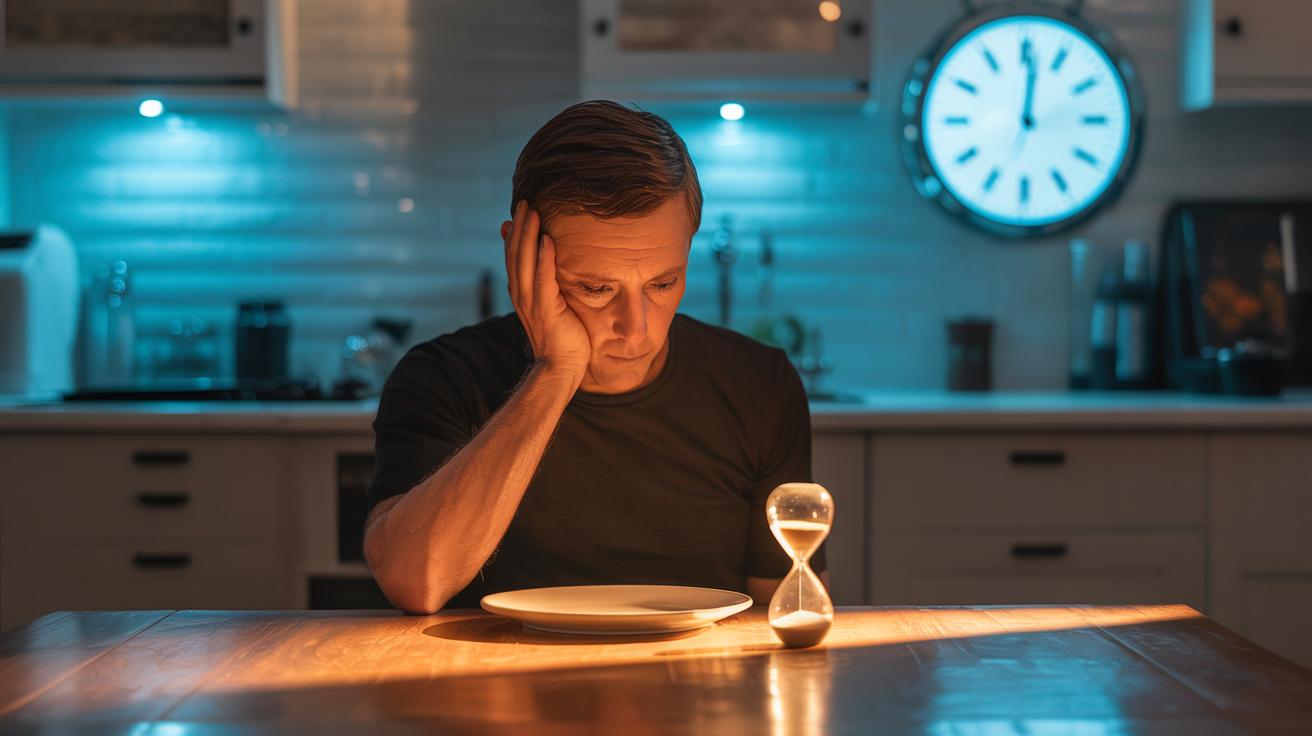
What You Need to Know
- 🔥 Understand the essence of intermittent fasting, a lifestyle choice focused on when, not what, you eat, aligning with ancient practices and modern benefits.
- 🔬 Discover the science of fasting: the transition to ketone-based energy improves fat burning, cognitive function, and reduces inflammation.
- ⏰ Explore different methods like the 16/8 method and the 5:2 method, which offer flexibility and adaptability to fit individual lifestyles and preferences.
- 💡 Acknowledge the emotional journey: fasting provides renewed energy and mental clarity for some, while presenting psychological challenges for others.
- ⚠️ Consider who should approach fasting cautiously, such as pregnant or breastfeeding women, and consult healthcare professionals before starting.
In the hustle and bustle of modern life, the constant bombardment of diet trends often leaves us dazed. Among these, intermittent fasting stands as a beacon of simplicity. It’s not merely a diet but a lifestyle choice, shunning calorie-counting for an embrace of time. For many, it’s a source of empowerment – a rhythm that resonates with ancient practices yet promises modern benefits. But as you close your eyes and imagine the noisy world falling silent during these fasting windows, does it whisper harmony or haunt with hunger? Dive into the science and sensation of intermittent fasting to discover whether it’s a feast for your soul or famishment for your senses.
The Science Behind Fasting
At its core, intermittent fasting is the cycle of alternating between eating and fasting periods. Unlike traditional dieting, it doesn’t prescribe what you eat, but rather when you eat. This approach taps into the body’s natural ability to function optimally in a fasted state. Research suggests that fasting can trigger a metabolic shift from glucose metabolism to ketone-based energy. This not only increases fat burning but enhances cognitive function and reduces inflammation.
During fasting, the body undergoes cellular repair processes. Levels of insulin drop significantly, facilitating fat loss, while human growth hormone can increase, promoting muscle gain and anti-aging effects. Yet, despite its physiological benefits, the emotional experience varies widely. Some find liberation in the simplicity; others feel the strain of abstinence.
Different Methods and Their Appeal
Intermittent fasting offers several methods to accommodate diverse lifestyles. Each method strikes a balance between fasting and feeding windows, allowing individuals to choose what best suits their needs. For the 16/8 method, fasting for 16 hours with an 8-hour eating window is popular for its simplicity. It fits easily into a day-to-day routine, often synchronized with skipping breakfast.
Another approach, the 5:2 method, involves consuming only about 500-600 calories two days a week while eating normally the other five days. The allure lies in its flexibility, making it easier to adhere to socially. Ultimately, the choice depends on personal preference, lifestyle, and how one’s body reacts to fasting.
The Emotional Battlefield
Beyond the scientific realm, the reality of fasting is an emotional journey, a delicate dance between restraint and indulgence. For some, it brings renewed energy and mental clarity. As the hours pass by, the initial hunger pangs transform into a sense of calm and focus that fuels creativity and ambition.
Conversely, others struggle with the psychological challenge it imposes. The anticipation of the next meal can loom large, like an unfinished symphony. Social gatherings become moments of tension rather than enjoyment. Despite the physical benefits, these emotional hurdles may prove significant.
- Understanding your unique emotional and physical response is crucial.
- Journaling can help track emotional patterns during fasting.
- Support from a community or buddy system enhances commitment.
- Gradual adaptation eases the transition, minimizing mental strain.
Who Should and Shouldn’t Consider Fasting
Intermittent fasting is not a one-size-fits-all solution. Despite its benefits, certain groups should approach it with caution. Pregnant or breastfeeding women, those with a history of eating disorders, and individuals with specific medical conditions should consult healthcare professionals before attempting fasting. Their bodies require a steady supply of nutrients, and drastic changes might be detrimental.
On the contrary, those seeking improved metabolic health or cognitive benefits may find fasting to be a favorable ally. Athletes or those well-versed in fitness may also integrate fasting into their schedules to optimize performance. As with any lifestyle change, personalization and careful consideration are key.
The Journey Ahead
The path of intermittent fasting is as varied and complex as the individuals who traverse it. While it promises a spectrum of physical benefits, the emotional landscape is uncharted territory for many. As you ponder the potential of fasting, what aspects resonate most with you? Are you prepared to embark on a journey that tests both body and mind? The world of fasting invites you with open arms, but only you can decide if it’s a symphony of sensation or an echo of uncertainty waiting to be explored.
Does anyone else find the 16/8 method super easy? I barely notice I’m even fasting!
I tried intermittent fasting and ended up eating way more during my eating window. Help?
Has anyone noticed improved cognitive function with fasting? I’m curious if this is legit 🤔
I’m skeptical about fasting but willing to give it a try. Any tips for beginners?
This post was super informative! Thanks for sharing all the research 👍
Isn’t it hard to fast during social gatherings? I love my Friday brunches too much! 🍳
Can fasting really promote muscle gain? It sounds a bit counterintuitive!
The emotional journey you mentioned resonates with me. Sometimes it feels like a real battle!
So if I hate skipping breakfast, is the 5:2 method a better option for me?
I’ve been intermittent fasting for a year and love the results. Highly recommend!
How long does it usually take to start feeling those cognitive benefits?
I’m confused about ketone-based energy. How’s it different from the usual energy?
Besides weight loss, what are some other health benefits of fasting?
The science of fasting is fascinating! I never knew our bodies could do all that 🧬
Does fasting help with reducing inflammation in the body? I’ve read mixed reviews.
Intermittent fasting is a feast for my soul! It’s so freeing not counting calories 😊
How does fasting affect athletes? Can it actually improve performance?
I’m very curious about the psychological effects you mentioned. Any personal experiences?
Why isn’t fasting recommended for pregnant women? Isn’t natural always better?
Thank you for making fasting more approachable! I’m inspired to start.
This was an enlightening read. I feel more prepared to handle the emotional aspects now.
Is there a preferred time of day to do the fasting window? Mornings or evenings?
Lol, I’d just spend my whole eating window at an all-you-can-eat buffet! 😆
Intermittent fasting seems to be just another fad. How is it any different from others?
Do you all find it hard to explain fasting to friends and family who don’t understand it?
Fasting is personally very liberating for me. It’s like a mindfulness practice.
I need some motivation tips to stick to the plan. Falling off the wagon too often!
What do healthcare professionals say about fasting? Is there scientific consensus?
Lost weight on IF, but now I’m plateauing. Any advice on breaking through this?
So, we really don’t count calories at all with intermittent fasting?
The hormones and cellular repair processes during fasting intrigue me. Thanks for breaking it down!
I often feel anxious thinking about the next meal while fasting. Is this normal?
The 5:2 method sounds more flexible. Anyone have success with it?
How do you handle hunger pangs? Asking for a friend. 😜
Ecstatic about my fasting results! Lost weight, and my skin’s glowing like never before!
Can this lifestyle be sustainable long-term? Or does it get tough over time?
I’ve heard some people say fasting isn’t safe. What do experts really think?
What should I do if I feel dizzy while fasting? Is this a warning sign?
I love how fasting fits naturally with my daily routine. Such a game-changer!
Does coffee break a fast? Asking before I give up my morning ritual. ☕
Appreciate the focus on emotional aspects. Often overlooked in diet talks.
Is it okay to workout while fasting? I don’t want to faint at the gym! 🏋️
Can’t believe how much energy I have when fasting! It’s like unlocking a new gear!
Fasting sounds great in theory, but how practical is it for a busy lifestyle?
No fan of skipping dinner… is there a flexible method that accommodates that?
This article gave me a new perspective! Ready to embrace the fasting journey!
Why isn’t calorie counting part of the fasting strategy? Seems risky… 🤔
Can intermittent fasting affect mood stability in any way?
LOL, fasting for me just means dreaming about pizzas all day! 🍕
How do you stick with fasting around holidays and festive seasons?
I’m more focused and productive during fasting. Didn’t expect these mental benefits!
I wonder how fasting interacts with other diets like keto. Can you combine them?
Which fasting method is beginner-friendly? I need something easy to start with.
Yikes, I get so cranky if I skip meals. How do I even start fasting?
Emotional hurdles are my biggest challenge. Loved your tips for journaling 🙂
Thankful for the encouragement to check with healthcare providers before starting!
Trying fasting and surprisingly, it’s helping with my focus at work.
Wow, I had no idea fasting could boost HGH! Bodybuilder in me is intrigued 💪
Fasting? Sounds medieval, but I’m open to trying new things in 2023!
The science behind fasting is compelling. Gonna research more! 🔎
Great read! But, does fasting really affect cognitive functions? 😮
Has anyone experienced better sleep patterns on IF?
The emotional struggle is real! Support groups make a difference, trust me.
This piece finally made sense of why IF seems to be working for me!
Why do the benefits seem to outweigh the downsides? Little skeptical here.
How do different cultures incorporate fasting in their diets?
Totally agree with the ‘renewed energy’ bit. Feeling like a new person!
Is water fasting part of the intermittent fasting spectrum?
Surprised by the simplicity of this lifestyle. So glad I started!
The community support idea sounds wonderful. I’d love to join a group.
The thought of ignoring hunger pangs is daunting. Help!
Thanks for such an insightful post on fasting! Truly appreciated 😊
Should older adults approach fasting differently?
How does alcohol fit into intermittent fasting?
I love how fasting syncs with evolutionary history. It makes it sound so natural!
Can I have herbal tea while fasting or does it interrupt the process?
Integrating fasting around family meals is tough, but commitment is key!
Who’d have thought that eating less often would make me feel more alive? 🌟
Have mixed feelings about fasting, yet the science compels me to try it.
This makes me wish I’d discovered fasting earlier! Better health feels achievable now!
Considering IF, but worried it might trigger an old dieting mindset.
Fasting provides mental clarity. It’s like my brain’s fog has cleared up!
The safety precautions for specific groups are spot on. Safety first!
Not so sure about fasting during winter. The cold makes me eat more!
The practical tips were helpful, but I’d love more on managing social events.
Any restaurant tips for those of us fasting during the eating window?
My experience with fasting transformed how I view food. It’s not just about eating!
Can eating disorders be influenced by IF? A bit concerned here 😶
Finding it tough during initial days of fasting. Good tips on gradual adaptation!
Intermittent fasting fits seamlessly into my life. Feel my best self already!
Does fasting affect hair and skin health in any way? 🧖♀️
How do you navigate fasting with a demanding job? Never enough time!
The fasting-supportive community is incredible! Feeling more motivated seeing others’ progress.
Meditation + fasting = calm and clarity. Anyone else combined these practices?
Deep dive into fasting! A good reminder of why I started this lifestyle choice.
Noticed the focus on personal experience. Seems like the most important part!
Tried fasting on a whim and found it surprisingly sustainable!
I can’t believe how much thrashing cravings can lessen with some fasting practice! 😅
I’ve been fasting for a few months, and the emotional rollercoaster’s worth it!
Appreciate the comprehensive overview. A good mix of science and personal touch!
Wait, I don’t have to skip breakfast if I choose the 5:2 method?
Fasting’s easy! Until the weekend parties tempt you with cake 🤣
Amazing insights! Understanding fasting was a revelation. Thank you!
Is IF okay for people with diabetes? My friend is considering it.
Mostly hear about weight loss, but intrigued by the cognitive benefits 💡
It’s intimidating at first, but fasting turned out simpler than I thought!
Have a sweet tooth? Tough to manage cravings for some, like me!
Why isn’t fasting promoted more as a de-stressing method?
Skeptical of diet trends, but fasting’s focus on timing, not food, seems smart.
I like the gradual easing into fasting. Makes it feel much less daunting.
Fasting while exercising regularly can be a tough balance. Any tips?
Was hesitant at first, but this post convinced me to give it a shot!
Could emotional baggage from past diets affect one’s outlook on fasting?
Has anyone successfully combined intermittent fasting with a vegan diet?
I’m usually not for strict regimes, but IF might be what I need for stability 😊