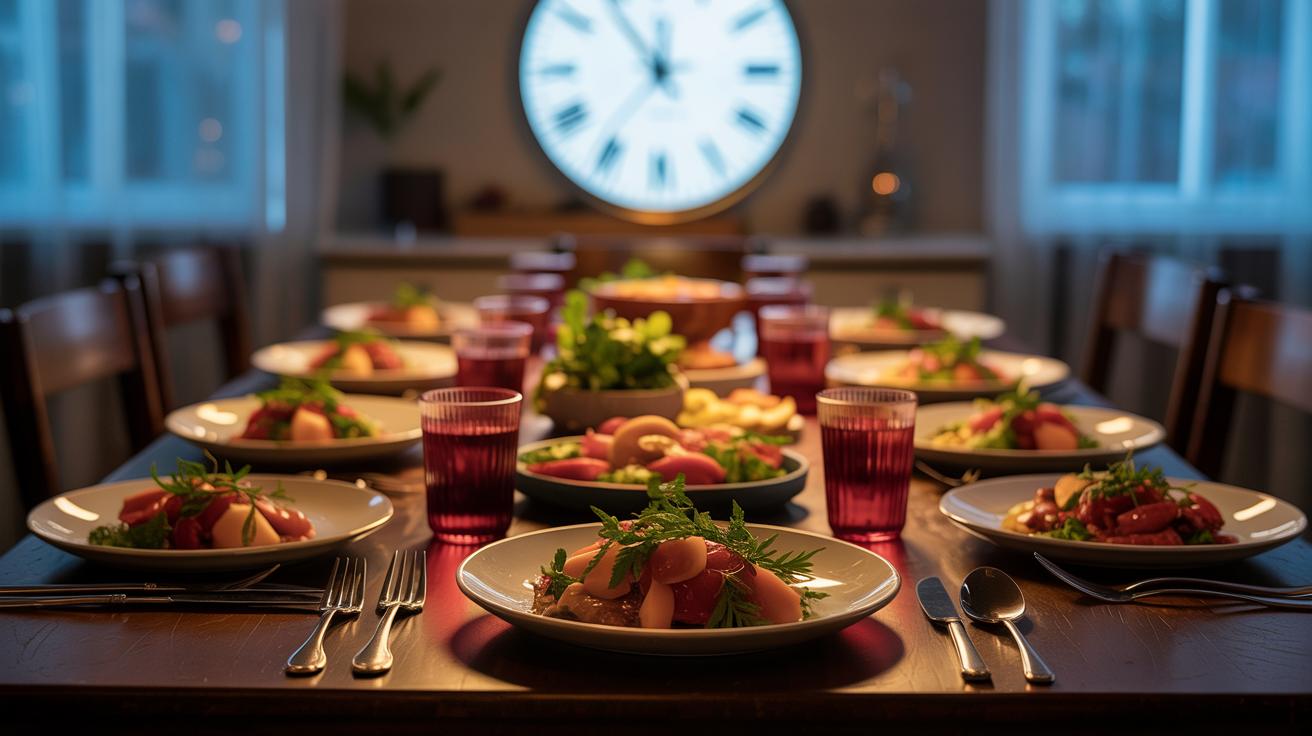
What You Need to Know
- 🍽️ Intermittent fasting is a lifestyle focused on when you eat, not what you eat, promoting health benefits through the cycle of eating and fasting.
- ⚡ Fasting activates the metabolic switch, helping the body burn stored fats for energy, which might improve both weight management and metabolic health.
- 🧘 Embracing intermittent fasting can change your emotional connection to food, fostering mindfulness and greater self-discipline.
- 📅 There are diverse fasting methods like the 16/8 method, 5:2 diet, and Eat-Stop-Eat, enabling personalization based on lifestyle and goals.
- 💡 Apart from weight loss, fasting offers unexpected health benefits including improved heart health, cognitive function, and possibly increased longevity.
Have you ever found yourself at the dinner table, clutching your fork as the final hours of daylight slip away, questioning whether the choices you make at each meal determine your fate? In a world obsessed with quick fixes and miracle diets, intermittent fasting has emerged as a beacon of hope, promising not just weight loss, but transformation. Is it a dietary miracle, or simply another trend that will fade with time? As experts unravel the mysteries of fasting, they reveal insights that could change how we view sustenance and health forever.
The Essence of Intermittent Fasting
Intermittent fasting isn’t just a diet—it’s a lifestyle. At its core, intermittent fasting involves cycling between periods of eating and fasting. Rather than restricting what you eat, it focuses on when you eat. By narrowing the eating window, individuals can potentially tap into multiple health benefits. This approach is rooted in human evolution, as early humans often went long stretches without food, adapting to feast-famine cycles. Today, scientists suggest that our bodies might still be programmed to respond positively to such periods of fasting. But how exactly does this work, and what specific benefits can one expect?
Unlocking the Metabolic Switch
One significant change that occurs during intermittent fasting is the activation of the metabolic switch. This is when the body switches from using glucose for energy to burning stored fats. When you fast, insulin levels drop, prompting your body to access its fat reserves for energy. This not only aids in weight loss but also enhances energy efficiency, giving you a boost in mental and physical performance. Researchers are exploring how this conversion process could reduce the risk of various metabolic diseases, suggesting a deeper link between fasting and overall health improvements.
Emotional Connection to Food and Fasting
Beyond the physical, fasting brings about a profound shift in how individuals relate emotionally to food. For many, eating isn’t just about nourishment; it’s tied to memories, emotions, and social rituals. Intermittent fasting forces you to be more mindful, challenging your relationship with hunger. Embracing the discomfort of fasting can lead to greater self-discipline, resilience, and an appreciation for each meal. While the initial adjustment can be challenging, those who persevere often report a newfound clarity and peace, finding that intermittent fasting strengthens both mind and spirit.
The Diverse Fasting Methods
There are several ways to practice intermittent fasting, each with its unique approach and benefits. Among the most popular methods are:
- 16/8 Method: Fast for 16 hours and eat during an 8-hour window, typically skipping breakfast.
- 5:2 Diet: Consume a regular diet for five days and restrict calorie intake to 500-600 calories on two non-consecutive days.
- Eat-Stop-Eat: Fast for a full 24 hours once or twice a week.
Understanding these methods allows you to choose the one that aligns best with your lifestyle and goals, ensuring a sustainable and effective approach to fasting.
Unexpected Benefits Beyond Weight Loss
While weight loss might be the most popular reasons many turn to intermittent fasting, the research highlights numerous unexpected benefits. Experts point out improvements in heart health due to reduced cholesterol and blood pressure levels. Cognitive function can enhance as the brain benefits from increased production of neurons and improved stress response. Additionally, fasting can impact longevity, as evidence from studies suggests it might play a role in activating cellular repair processes. The benefits extend far beyond the waistline, offering a holistic boost to health.
Can Everyone Benefit from Fasting?
While intermittent fasting offers impressive benefits, it may not be suitable for everyone. Individuals with certain medical conditions or specific lifestyle demands might face challenges with fasting. Pregnant or breastfeeding women, individuals with a history of eating disorders, or those with demanding physical jobs should consult with healthcare providers before starting a fasting regimen. The key is personalization—intermittent fasting works best when tailored to individual needs and circumstances. Are you truly ready to transform your eating habits through fasting, or do other avenues beckon you?
As many delve into the promising realm of intermittent fasting, questions linger. Is it more than just a miracle diet? Or is it poised to innovate the way we understand nutrition? The science is compelling, yes, but the personal stories of transformation ignite curiosity and debate. Could intermittent fasting be the catalyst for a profound shift in both body and mind, and are you prepared to explore its depths further?
Is this just another fad diet or does it really work long-term?
I’ve tried 16/8 and 5:2 fasting, but found 16/8 much easier to stick to. Anyone else have the same experience?
What’s the best way to manage social occasions while fasting?
Great information! Thanks for demystifying intermittent fasting. 😊
Is it safe to do intermittent fasting if you’re on medication? I’m worried about my health
I’ll give anything a try if it will keep me out of the gym! 😜
Fasting sounds interesting, but I can’t survive without breakfast! Any tips?
I love how intermittent fasting makes me feel mentally sharper! 💡
Not sure I could handle fasting for 24 hours, but 16/8 seems doable!
Fasting might work wonders but my late-night snack cravings win every time.
Struggling to start fasting due to my unpredictable work hours. Help!
Do people really live longer because of fasting? Sounds too good to be true.
My mood’s been more stable since starting intermittent fasting. Anyone else notice this?
Is coffee allowed during fasting hours? I’m addicted! ☕
Thanks for the detailed post! It cleared up a lot of my confusion. 😊
If our ancestors fasted naturally, why do modern humans struggle so much with it?
Can I still do intermittent fasting if I only eat plant-based foods?
For those who’ve tried it, how long did it take before you saw benefits?
Does fasting make exercise more effective? Who’s tried it and seen results?
What do experts say about fasting for people over 60?
Any particular methods that help ease into fasting for beginners?
Loved the article! Starting my fasting journey today! 😊
Can someone with diabetes benefit from intermittent fasting?
Why’s there a hype with fasting now when it’s been done for centuries?
Why have I never heard about “metabolic switch” before? Fascinating stuff!
I’m not sure I can manage fasting, but I’m curious. Is it worth trying for someone who loves food?
Wonder if I can turn my hangry episodes into productive work using fasting! 😂
The science behind fasting is compelling, but I still have doubts. 🤔
Trying not to binge eat on non-fasting days is my biggest challenge. Suggestions?
Are there specific foods that help sustain energy during fasting periods?
What kind of meals do you recommend for the eating window?
Isn’t skipping breakfast unhealthy? How does 16/8 address this?
Hoping this will also help with my emotional eating habits.
Searching for a “cure” all my life, maybe fasting is it? 🤞
Losing weight is great but I’m more excited about improved cognitive function! 🧠
Could intermittent fasting interfere with women’s hormonal cycles?
How do you handle fasting during holidays? I don’t want to miss out on festive meals.
Must admit, fasting still sounds like torture to me! 😩
Would fasting impact my muscle gains negatively? Confused about eating windows.
I’m grateful for the emotional clarity fasting has brought to my life.
Fasting’s a game-changer in my wellness routine – exercise & mental focus improved! 💪
Love that fasting helps with self-discipline. It’s been a personal goal for years.
Experts say fasting aids metabolism—does this apply to all ages?
Is there real proof fasting boosts heart health, or just anecdotal evidence?
Do electrolytes play a role during fasts? 🤔
Reached my weight goal faster than expected with fasting. Happy days! 😊
How do I maintain energy levels for daily tasks while fasting?
Does fasting create a risk of developing eating disorders?
Pleased to learn fasting isn’t just about weight loss; love the other health perks!
Should teenagers try intermittent fasting? My daughter’s interested.
From a skeptic to a believer: fasting worked. Who knew? 😊
Great post, but how can I fast with my unpredictable schedule?
Will fasting affect skin health? Hoping for a glow-up! ✨
Is the science sound behind fasting, or just another trend with hopeful outcomes?
I’ve read that fasting can disrupt sleep. Any truth to this?
Geez, does fasting actually improve mental performance? Sounds like a superpower!
I’m amazed by how much intermittent fasting has changed my relationship with food.
Weight might be my focus, but the emotional benefits surprise me every time. 😊
In a fast-food world, fasting feels like going against the tide!
IF: balancing between the pain of hunger and the joy of health benefits! 😂
Eager to hear expert opinions on fasting for older adults.
Love the idea of customization with fasting methods, though I still find it tough to choose one.
Intermittent fasting vs traditional calorie-reduction: what’s truly more effective long-term?
Worried about irritability while fasting. How to handle mood swings?
Hoping intermittent fasting will improve my cholesterol levels. Best advice?
Since starting IF, clarity in life has improved drastically. Anyone else see this change?
Can fasting lead to low energy if you’re used to frequent meals?
I’m curious if fasting can reduce inflammation. Anyone experience this?
The transition into fasting has been rough! Tips? 😊
I’m new to fasting; how quickly can you see potential health benefits?
How does fasting affect long-distance runners? 😊
Can you incorporate fasting while ensuring nutrient-rich foods in meals?
Is there an increased risk of deficiencies with regular fasting?
Grateful for how intermittent fasting helps me relish the simple joy of eating.
Can someone explain the ‘metabolic switch’ in layman’s terms?
How does seasonal affective disorder fare with a fasting regimen?
Fasting isn’t just cutting calories but a mindset change. Worth a try!
Is intermittent fasting sustainable for long-term lifestyle changes?
Is there an ideal fasting schedule for those with erratic work shifts?
I’ve heard fasting can stabilize insulin levels. Truth?
Fasting while working in a physically demanding job – feasible?
What are the main challenges of fasting during winter months?
I’m curious how fasting impacts gut health and microbiome diversity!
Will fasting help with muscle definition, or is it all about diet & exercise?
I need to get my family on board with fasting – any success stories?
Is drinking apple cider vinegar okay during fasting hours? 🤔
How adaptable is fasting for long-term shifts in weight and health?
Excited to try the Eat-Stop-Eat method. Advice for beginners?
Can fasting alleviate joint pains? I’ve heard mixed reviews.
The emotional clarity from fasting is life-changing! 😊
The fact that fasting could influence longevity is mind-blowing. 📅
How can one manage under-eating on fasting days? Balance is crucial.
Fasting seems great for metabolism but concerns for brain fog still worry me. 😬
A newfound relationship with food through fasting is such a delightful surprise!
The known benefits sound incredible; but can fasting handle stress eating?
As a fitness fanatic, how does fasting fit in my strength training routine?
Why do some people lose no weight on fasting? Is variance common?
I’ve been fasting a month and experiencing vivid dreams. Correlation? 😊
Some methods sound severe! Which is best for a gentler introduction?
Been eager to try fasting but fear binging. How to prevent this?
Grateful for intermittent fasting, transforming my relationship with hunger. 😊
As fasting can enhance cognitive function, what about memory?
How do athletes manage fasting with rigorous training schedules?
Fasting on weekends… does it impact leisure activities negatively?