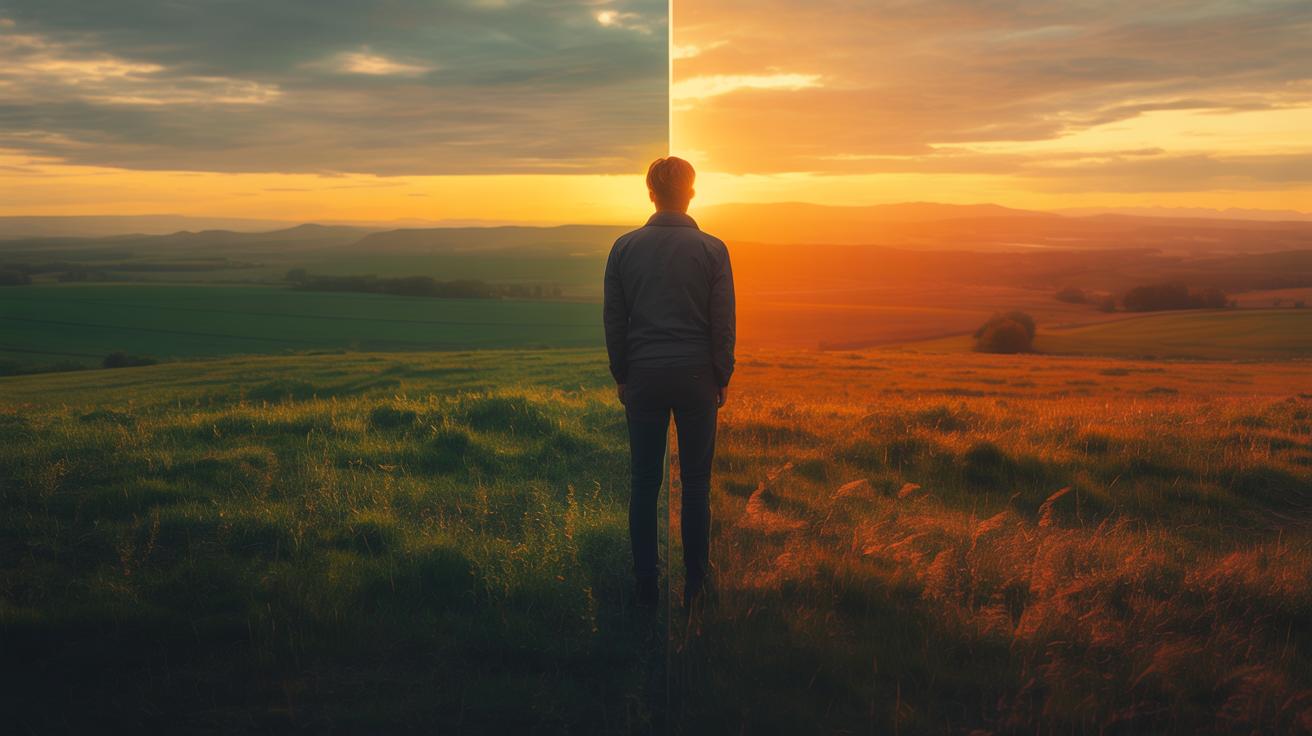
What You Need to Know
- 🌅 Nostalgia often idealizes the past, making it seem more perfect than it actually was, which can blur the beauty of the present.
- 🛑 Toxic nostalgia can act as an anchor, hindering personal growth and the ability to embrace new opportunities and experiences.
- ❤️ Relationships can suffer when past memories set unrealistic expectations on current interactions, leading to dissatisfaction and disconnection.
- ⚖️ Achieving a balance is essential; while it’s important to cherish memories, living fully in the present opens up potential for future experiences.
- 🧘 Break free from toxic nostalgia by practicing mindfulness, engaging in new activities, and setting realistic goals to create a sense of progress and excitement.
In a world where change is constant and the present feels overwhelming, many find solace in the comforting arms of the past. Memories are powerful; they hold the fragrance of familiar places, the laughter of loved ones, and the unchanging beauty of moments gone by. Yet, there is a shadowed side to nostalgia, one that is insidious and profound. What happens when we’re caught in the web of our past, unable to step forward? This is the danger of holding on too tightly to what once was, and it’s a form of toxic nostalgia that can silently poison our ability to grow.
The Illusion of the “Good Old Days”
Nostalgia often paints the past with a golden hue, making the streets of yesterday seem more vibrant, the relationships more genuine, and the struggles less daunting. This perception, however, can be an illusion. Clinging to the “good old days” can blur our reality, causing us to forget that those times were not perfect. By idealizing the past, we may lose sight of the beauty in the present and the possibilities of the future. It’s crucial to recognize that memory is selective, often filtering out negative experiences and holding onto the positive. When we realize that these “better days” were not without their own challenges, we can begin to appreciate what we have now.
The Impact on Personal Growth
Holding onto the past can stifle personal growth in profound ways. When nostalgia becomes toxic, it acts as an anchor, preventing us from embracing new ideas and experiences. An individual stuck in a loop of past memories may find it difficult to adapt to new environments, hindering both personal and professional development. It’s important to remember that growth requires change and risk-taking. Carrying the weight of past glories, or even past failures, can paralyze decision-making. Acknowledging this burden and letting go can open doors to new opportunities, fostering resilience and self-improvement.
The Strain on Relationships
Toxic nostalgia can seep into relationships, both old and new. By constantly romanticizing past relationships, individuals may unintentionally place unrealistic expectations on current ones. This can lead to disappointment and a constant feeling of insufficiency. Moreover, living in the past might prevent us from forming deep connections as we are too focused on what used to be instead of embracing what is. It’s vital to give new relationships the chance to evolve and grow without the shadow of the past looming over them. Healthy relationships require us to be fully present and engaged, something impossible to achieve when our minds are preoccupied with bygone days.
- Nostalgia may lead to distorted perceptions of the past.
- Personal growth is hindered by fear of change.
- Relationships can suffer under the weight of unrealistic expectations.
How to Break Free From Toxic Nostalgia
Breaking free from the grip of toxic nostalgia requires mindfulness and conscious effort. One effective way is through reflective practices such as journaling or meditation, where the focus is on appreciating the present and setting intentions for the future. Engaging in new activities, learning a new skill, or meeting new people can also help shift focus from the past to the present. Setting realistic goals and celebrating small milestones can create a sense of progress, slowly replacing the allure of the past with the excitement of what lies ahead. Finding balance is key; cherish memories but live in the present, creating new ones with intention. Remember, the future holds endless potential.
While nostalgia can serve as a gentle reminder of cherished memories, it becomes toxic when it stops us from moving forward. The key is to strike a balance—honor the past, but do not allow it to define your present or dictate your future. As you navigate the complexities of life, will you let toxic nostalgia anchor you, or will you choose to break free and savor each new moment?
Wow, this post got me thinking! How do we know when nostalgia becomes toxic?
Great insight! 🧐 I never thought of nostalgia as toxic before!
Would you say nostalgia is always bad, or are there ways to turn it positive?
Nostalgia can be comforting but blinding too! 😅
This is so true, my uncle always talks about ‘the good old days’ and never tries new things.
What’s the balance between cherishing memories and living in the present?
Loved the article! More people need to read this. 🙌
Can nostalgia ever be beneficial for personal growth?
I’m definitely guilty of idealizing high school days. 😬 Oops!
This really made me rethink how I view the past. Thanks. 😊
Is there a way to overcome toxic nostalgia through therapy?
Interesting topic! 😁 How do I find mindfulness exercises that work?
This is so relatable! Does anyone else feel like they’re stuck sometimes? 😣
Do you think social media contributes to toxic nostalgia by constantly reminding us of the past?
Love this post, but I kind of miss the 90s! 😂
How do we encourage those stuck in the past to embrace the present?
Was there ever a time when nostalgia helped you grow? Just curious.
Lol, no wonder I can’t let go of my childhood heroes!
Can engaging in new activities really help break free from nostalgia?
This post felt like therapy. Thank you! ✨
I can’t believe how much this speaks to me right now.
I think sometimes nostalgia can be a safe escape when the present is tough.
Would love some tips on realistic goal setting to move forward!
Is there any scientific evidence behind toxic nostalgia and its impacts?
Great read! But what’s wrong with enjoying memories from time to time? 🤔
Is this why my dad can’t stop talking about his glory days? 😅
This was a perfect reminder to enjoy right now. Thanks! 🌟
What’s the first step in taking control of toxic nostalgia?
Interesting perspective, but I think memories shape who we are today!
How often do you suggest practicing mindfulness to break the habit?
This is a must-read for anyone stuck reminiscing about the past. 🕰️
Such an insightful post! Does anyone have success stories shifting focus?
Nostalgia at its worst forgets the challenges we faced, right?
Why is nostalgia so comforting yet potentially dangerous?
Loved this article, but I still love reminiscing with my friends. 😊
Can journaling really make a noticeable difference in overcoming nostalgia?
Is nostalgia a principal factor in why some people resist change?
Fun read! My grandma is always nostalgic, I guess it’s an age thing?
This article felt like a wake-up call. Thank you! 🛎️
How can I explain this to my friend who constantly idealizes the past?
I love the idea of focusing on creating new memories. ✨
Do some cultures encourage more nostalgia than others?
This hit home. It’s hard not to romanticize the past sometimes.
Glad I read this. Gonna put more effort into living in the now. 😊
Can nostalgia really affect our decision-making that much?
Thanks for shedding light on this topic. It’s not talked about enough.
Reading this made me realize how much I hold onto past relationships!
Great post! Anyone else got tips on how they moved past nostalgia?
Does nostalgia serve any evolutionary purpose immediately? 🤔
Super informative! Love the storytelling approach. 😄
Is it possible to use nostalgia to fuel creativity in a healthy way?
Why do we often remember the past so fondly even if it had difficulties?
Great insights! Time to stop living in the past. 😂
How do others find the balance mentioned in this post? Any tips?
I suppose even history buffs could benefit from living in the present.
Is it normal to feel sad about letting go of nostalgic memories?
What’s one new thing you’ve tried lately? I’m curious! 😊
Thank you for these insights. Never knew that nostalgia could be harmful.
Anybody got any book recommendations on this topic? 📚
Such an eye-opener! But my mom still thinks the 80s were the best. 🤣
This article reflects a struggle for many. Thanks for tackling it.
Do young people experience nostalgia, or is it mostly adults? 🤔
Ha! This reminds me of when I romanticized my first job! 😅
Is there a way to revisit happy memories without letting them anchor us?
Thanks for writing this! How do I get family members on board with this?
Does nostalgia only become toxic when it stops us from trying new things?
I can’t help but wonder if recency bias ties into this topic?
Intriguing perspective. Do you think nostalgia is a cultural phenomenon?
What made you want to explore this topic? 🧐
Great read! It made me realize I need to create more meaningful moments now.
LOL, now I feel bad about my Disney VHS collection! 📼😂
This was such a helpful post, especially in today’s fast-changing world.
How does one know when they’re truly over toxic nostalgia? 🤔
Very insightful post, thank you! 🌼
How do I learn to live in the moment better? 🌻
So true! Gotta let go of that ‘idealized’ past. 😊
Thanks a lot, gonna rethink my perception of the past now. 🚀
Can nostalgia be a sign of dissatisfaction with the present? 🤔
This article felt almost personal, thanks for sharing! 🌹
Can shifting focus to goals really make you forget the allure of the past?
Honestly, nostalgia sometimes feels like a warm blanket on cold days. 🧸
Wow, I never connected nostalgia with hindered personal growth before.
How would you compare nostalgia with déjà vu? Any thoughts?
This should be required reading for parents! 👩👧🎓
Is dwelling on past failures also a form of toxic nostalgia?
Enjoyed the post! But what if the past really was amazing? 🤷♂️
This provides such a thought-provoking viewpoint. Thanks a lot!
Maybe nostalgia’s best enjoyed in small doses? Any tips? 😊
Is reminiscing really harmful if it brings happiness? 🤔
WOAH, never thought nostalgia could be negative! Made me rethink a lot.
Finding balance truly is the key! Thanks for the reminder. ⚖️
Is nostalgia’s grip stronger during tough times or changes?
My biggest takeaway: Memory is VERY selective! Wow. 🍂
Who knew reminiscing could affect current relationships so much? 💔
Thank you for this read, it felt enlightening and MUCH needed. 🌻
Wondering if the rise of “retro” trends plays into this concept?
I’m amazed by how nostalgia can deceive us. Thanks for this insight! 😊
Need to practice mindfulness ASAP! Thanks for the nudge. 🧘♀️
Thinking of starting a journal now! Anyone else inspired too? 📓😁
Loved reading this! It definitely opened my eyes to some habits of mine.
I know someone who’s stuck in the past. Must share this with them!