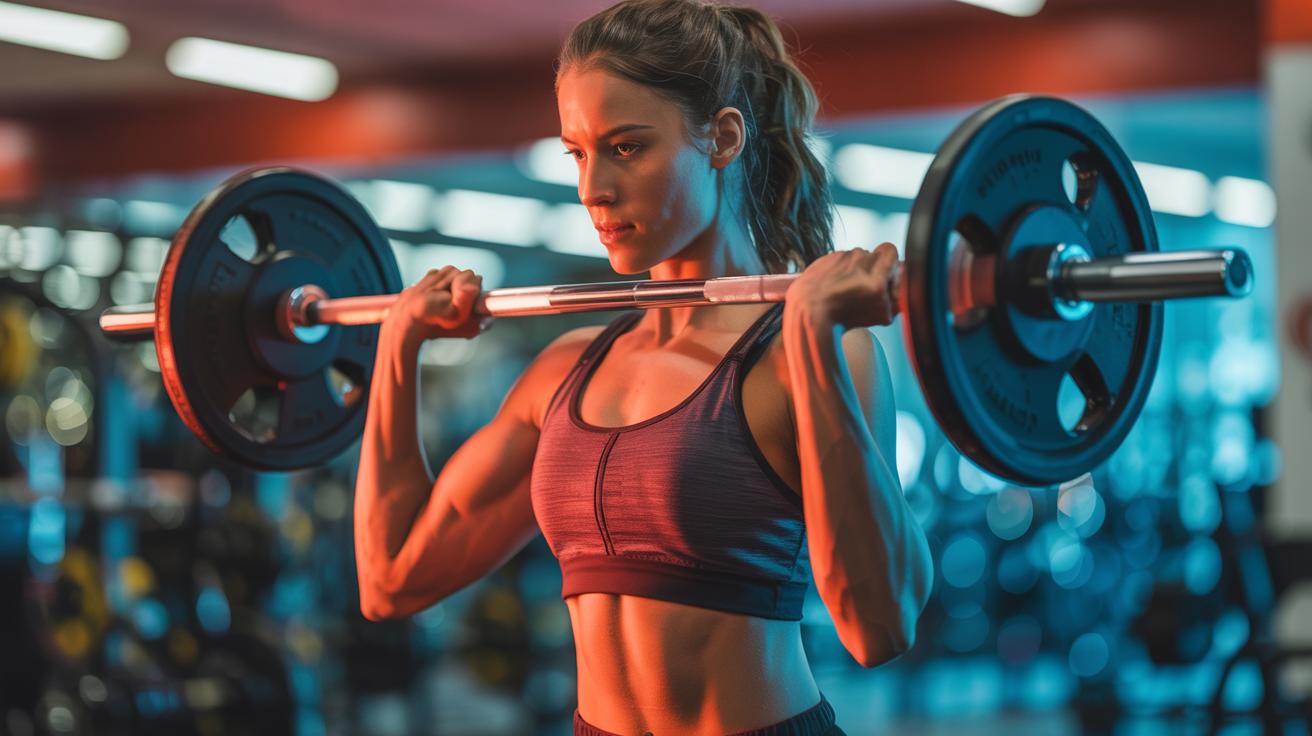
What You Need to Know
- 💪 Weightlifting won’t lead to instant bulk: Unlike popular belief, gaining excessive muscle mass requires years of training and a specific diet.
- 🔥 Hormonal differences mean women are less prone to bulking up due to low testosterone levels, making it possible to stay toned and strong without gaining size.
- 🏋️♂️ Strength versus size training: Powerlifting focuses on strength with heavy weights and fewer reps, while bodybuilding targets muscle size with higher reps.
- 🍏 Diet is crucial for muscle gain: Without a calorie surplus and high protein intake, significant muscle growth is unlikely, emphasizing toning over bulking.
- 🧠 Embracing weightlifting for physical and mental empowerment can lead to greater strength and confidence without the fear of unwanted muscle bulk.
Imagine stepping into a gym full of clanking weights and people fiercely grunting through their sets. It’s intimidating, especially with the pervasive belief that weightlifting will inevitably make you bulky. Yet, beneath this misconception lies the incredible potential of weightlifting to add strength without excessive size. For many women and men, the thought of putting on “too much muscle” serves as an emotional barrier. But what if I told you that lifting weights could make you stronger, not bulkier? Let’s shed some light on the truth about weightlifting and muscle growth.
The Myth of Bulking Up Overnight
One of the most persistent myths is that picking up weights will instantly turn you into a bodybuilder. This misconception not only discourages people from lifting but also undermines the hard work and dedication required to gain significant muscle mass. In reality, muscle growth is a slow and deliberate process that relies on a delicate balance of nutrition, hormone levels, and training intensity.
Consider the dedication required by professional bodybuilders: years of consistent training, strict dietary regimes, and often, the use of supplements or even steroids. For the average person, reaching that level of bulk naturally isn’t just unlikely; it’s nearly impossible. Thus, the fear of becoming too bulky is largely unfounded, as muscle gain occurs gradually and can be easily controlled.
The Role of Hormones
Hormones play a crucial role in muscle development, and understanding them can help debunk some common fears. Testosterone is the key hormone responsible for significant muscle growth. Given that women have significantly lower testosterone levels than men, their potential for extreme hypertrophy (muscle growth) is naturally limited. Even for men, achieving large muscle mass requires strategic training and often genetic predisposition.
This hormonal difference explains why women can lift heavy weights yet still maintain a slender, toned appearance. The focus for both genders should be on improving strength and functional fitness rather than worrying about undesirable bulk.
- Weightlifting boosts metabolism.
- It improves bone density and overall health.
- Strength training leads to muscle toning, not just muscle building.
Strength vs. Size: Understanding Different Workouts
Training for strength and training for size are distinct. While both involve weightlifting, they engage the body in different ways. Powerlifters, for example, focus on lifting heavy with fewer repetitions to maximize strength. Bodybuilders, on the other hand, aim for hypertrophy with higher repetitions of moderate weights, targeting muscle size.
For most fitness enthusiasts, incorporating strength training into a workout plan isn’t about bulking up; it’s about enhancing muscular endurance and overall strength. By manipulating reps, sets, and weights, it’s possible to tailor workouts that aim for lean muscle gain rather than bulk. Consequently, this underscores the importance of understanding workout intentions and aligning them with personal fitness goals.
Diet, Muscle Growth, and Misconceptions
Another vital element affecting muscle growth is nutrition. To build significant muscle mass, consuming more calories than you burn is essential, alongside a high intake of protein. This specific dietary need further dispels the myth that casual lifting will lead to excessive bulk.
If you’re lifting weights without pairing it with an intentional bulking diet, you’re less likely to gain substantial muscle size. Instead, the combination of a balanced diet and strength training leads to a better muscle-to-fat ratio and a more toned physique. Understanding the relationship between diet and muscle growth helps reduce anxiety about unintentional bulkiness and places focus on functional strength.
Weightlifting is a powerful tool that provides numerous physical and mental benefits. By confronting and debunking myths about muscle growth, we transform weights from instruments of intimidation into tools of empowerment. Picture yourself not as confined by the fear of bulk, but rather as someone who grows stronger in mind and body. So, with these truths uncovered, how will you embrace change and redefine your own strength training journey?
Really? Gaining muscle is slow!? I’ve been fearing the wrong thing then 🤔.
I’ve been lifting for years and still look like a pencil 😂. Maybe I’m doing it wrong!
Thank you for debunking this myth! Needed this confidence boost to hit the gym! 😊
Wait, so how does diet actually affect muscle growth? 🍏
Is there any way to speed up muscle growth without bulking up?
This makes so much sense, thank you for the thorough explanation!
Weightlifting is genuinely empowering. The mental benefits are underrated!
My friend keeps saying lifting will make me bulky overnight – going to show them this.
Loved the article, but can you include more about hormonal impact? I’m interested!
Great read! I’ve been trying to convince my sister lifting won’t make her bulky.
So, I need to change my diet + lift to actually grow bigger muscles?
Well, I’m inspired to lift now 💪. Thanks for busting this common myth!
Makes sense why I’m not seeing Hulk-like growth. Patience is key, I guess.
I feel much better about starting my lifting journey now, thanks! 🏋️♀️
Say goodbye to cardio, hello weights! Or do I need both?
Finally, someone explains it all! And in a relatable way too!
Would love more on weightlifting tips for beginners!
If only I had read this before, I might be stronger by now.
Yikes, now I realize I need to eat better to gain muscle.
But how do we know if we’re eating enough while lifting?
I was skeptical, but this makes sense. Thanks for the info!
Wait, what if I WANT to bulk? Is it really hard?
I always found the grunting more intimidating than the weights 🏋️.
Cool insights! I focused more on reps rather than weights, now I know why 😅.
Thanks for clarifying on the testosterone bit — it’s super helpful!
Can you recommend any specific workout plan for women?
Is it true that women burn more calories with weightlifting?
I wonder how different my gym experience would’ve been without these misconceptions.
Describing lifting as an emotional barrier really rang true for me.
How much protein are we talking here for effective growth?
Perhaps I’m not seeing results because of my diet 🤔. Need to rethink!
This was a phenomenal read for anyone with gym anxiety!
Can powerlifting be damaging if done wrong?
More diet tips please! I underestimate its importance, I think.
Easier said than done, but I’m motivated to try now.
Repeating this to myself: stronger, not bulkier, STRONGER!
Interesting! What’s a good starting weight for beginners?
Can you gain lean muscle mass without proper sleep?
Guess I should focus less on the fear of bulk, more on getting strong.
If only this was common knowledge… the gym would be less intimidating.
Is weightlifting really better for metabolism than cardio?
So, when’s the best time to weightlift: morning or evening?
How does weightlifting improve mental health? Need more info on this.
I’m printing this for my mom—she refuses to lift due to these exact myths!
Who knew lifting could be more about brain than brawn 🧠?
Realizing my workout routine was all wrong, back to the drawing board.
More like STRONG AF, not bulky AF, amirite? 😂
Can weightlifting actually help with weight loss, like burning calories?
I guess I need to lift heavier weights with fewer reps for actual strength?
This bolsters the need for understanding our bodies before diving into exercise.
Amazing read! You went over complicated stuff so simply, much appreciated! 😄
Isn’t there a risk of looking bulkier before getting toned?
Any example of a weekly meal plan and workout routine combo?
Lifting myths = busted! Thanks for shedding light on this 😊.
Can hormonal imbalance affect muscle growth significantly?
So basically, no more cardio-only days. Need to start lifting!
What should we prioritize: form or weight? Why do both matter?
Bro-science told me otherwise, but your article convinced me otherwise!
This has inspired me to refine my fitness goals and hunt myths!
Reading stuff like this makes me more excited about getting fit!
Understanding strength and muscle distinction really helps clarify my goals.
Feels like more women should read this, shake off the bulking fear!
😅 I’ve probably lifted too light for too long. Time to up my game!
Can a vegetarian gain significant muscle size without bulking wrongly?
Always thought women can’t lift heavy. Thanks for proving me wrong!
Why didn’t anyone tell me this before? So many wasted years avoiding lifting!
Can you talk more about the mental empowerment aspect of lifting?
Lol! Amen to not turning into a bodybuilder overnight. 😂
Genuinely inspired to embrace the gym without fear of myths!
What’s a good balance between weightlifting and cardiovascular activities?
I used to avoid looking at weights at the gym; now I’m encouraged.
Need to fix my routine – gym, diet, all of it. Thanks for the guide!
Asking the real questions here – do I need to take supplements to bulk?
Hypertrophy vs. strength training is a whole new world it seems.
I’m looking more at becoming well-rounded, strong, and fit now. 😊
I’m a guy who fears lifting for the opposite reason! Any tips?
This knowledge applied right makes lifting an exciting new venture!
Finally understand why I don’t need to worry about turning into Popeye 😂.
This me these myths and now I’m all for #StrengthGoals, here’s to gains!
Interested in how resistance training differs as we age — any tips?
More on protein’s role in muscle gain please! Love the food section. 🍏
Never considered calories and protein intake — super informative for dietary planning!
Myth debunked! But is there a preferred post-workout meal to boost results?
I found my voice with weights and knowledge like this fuels the journey.
Thanks for breaking the myths about bulking, I’ll show this to my gym buddies! 😊
Enjoyed reading! Wish I started this journey earlier, knowledge is power.
The lifting room feels less intimidating with perspective like yours, thanks!
Consider me enlightened! Need more resources on mental empowerment from lifting, bravo! 😊
How often should I weightlift within a week for optimal benefits?
The part about hormones was enlightening. Helps manage expectations for real change!
Should I have rest days between lifting sessions to prevent burnout?
I always feared weights; now, I’m a step closer to overcoming that fear!
This sheds light on a confusing topic, this certainly helps boost my confidence. 💪
From now on, I’ll aim for the right amount of reps to suit my fitness goal.
That bit about diet and lifting struck a chord — meal prepping and gains next!
Your insights into powerlifting answer questions I’ve always had! Feeling prepped now!
The mental boost from lifting is definitely something I underestimated!
Particularly impressed by the myth-busting approach and practical advice throughout!
Loved your take on transforming intimidation into empowerment! Such a positive message.
I’m motivated to sculpt a strong physique knowing bulky isn’t inevitable!
Can non-dairy diets cater to those growing muscle? Any experiences to share?
Your insights made carving out fitness plans applicable and accessible to many like me!
Weightlifting as a mental health upgrade – why isn’t this more widely taught?
Feeling pumped 🏋️♀️ knowing exactly what to prioritize for lifting — bring it on!
A fresh perspective on reaching strength over exaggerated bulk, I’m signing up!
Got a new angle on fitness goals thanks to you, can’t wait to crush this! 😄
There are days I shredded the myth, now, a stronger journey is ready. Ty! 😊
🤔 Sudden muscle growth in myths made me laugh, excellent clarity piece here!
More females need this strength narrative — well, humans in general. Let truths lead us!
Grains of wisdom in metaphors you shared make a deeper connection with goals! 😊
I’m a fan of visuals about training techniques—can we get infographics someday?
Thrilled about a balanced narrative on lifting—a stigma needs swift lifting! Yeah! 😊
Who said gym intimidation is a thing with wisdom like this? Ready to take the proverbial plunge!
The term ‘stronger not bulkier’ echoes well! Let positive, empowering journeys unfold. 💪
Your article turned apprehension into excitement. Eager now for workout and recovery logs!
Rested the myth on treadmill of worries, now a cool breeze of understanding prevails 💪.
This has sparked broader reflections on fitness, wellness, and fulfilling potential! 😊