What You Need to Know
- 🌅 Intermittent fasting involves alternating periods of eating and fasting, offering metabolic health benefits and promoting weight loss by boosting hormone levels and triggering cellular repair processes.
- ⏰ Emphasizes flexibility over restriction, letting you decide when to eat rather than what to eat, making it adaptable with lifestyles and dietary preferences.
- 🧘♀️ Boosts emotional and psychological well-being by fostering greater control, energy, and focus, while helping develop discipline and a healthier relationship with food.
- 📈 Features real-life success stories that demonstrate its potential for achieving remarkable weight loss and improving chronic health conditions, enhancing overall quality of life.
- ❓ Invites reflection on the possibility of living more fully by eating less, prompting consideration of intermittent fasting’s potential impact on one’s life and health journey.
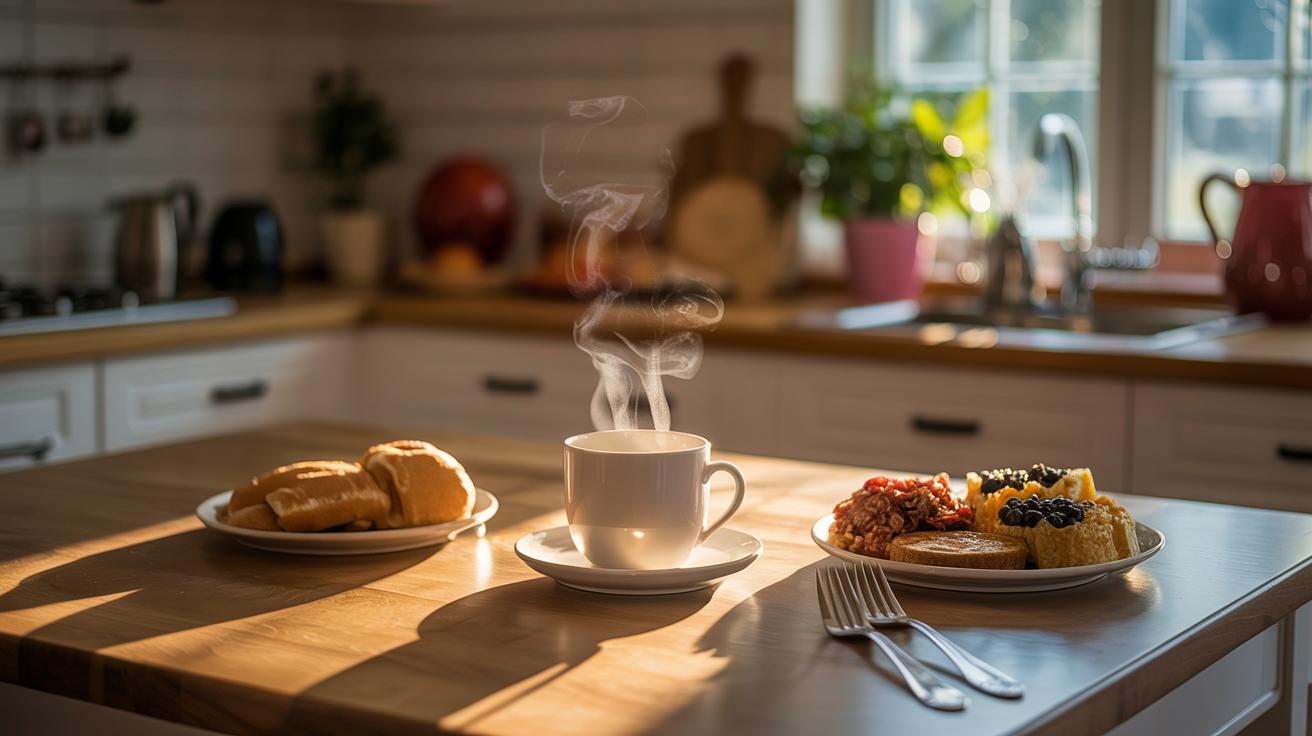
Picture an early morning sunrise peeking through the kitchen window, as the aroma of freshly brewed coffee fills the air. Now imagine skipping that routine breakfast, not out of necessity but by choice. Welcome to the world of intermittent fasting, a lifestyle where less eating may lead to more living. This method of controlled meal timing is more than just a trend; it’s a practice rooted in scientific promise and personal tales of transformation. Could eating less truly allow one to live more fulfillingly? Through the lens of science and human experience, let’s explore why intermittent fasting continues to capture the hearts and minds of individuals around the globe.
The Scientific Appeal of Intermittent Fasting
At the core of intermittent fasting is the compelling science behind it. This practice involves alternating periods of eating and fasting, aiming to optimize metabolic health and promote weight loss. Studies show that fasting can boost the levels of human growth hormone by up to five times. Elevated hormone levels speed up fat burning and muscle growth. Additionally, fasting triggers cellular repair processes, such as autophagy, which is the body’s way of removing dysfunctional cells.
Moreover, intermittent fasting is linked with improved insulin sensitivity. Greater sensitivity ensures that blood sugar levels remain stable and reduces the risk of diabetes. The split between eating and fasting periods provides physiological benefits aligned with our ancestors’ natural patterns of consuming and conserving energy. While scientific support is robust, fasting, like any dietary change, requires commitment and mindfulness.
What Makes Intermittent Fasting Different?
The popularity of intermittent fasting also stems from its flexibility compared to other diets. Unlike traditional diets that confine you to eating specific foods, intermittent fasting only dictates when you eat, not what you eat. This distinction allows for broader freedom in dietary choices, thereby fitting seamlessly into various lifestyles.
Those who practice intermittent fasting can choose from different methods such as:
- 16/8 method: Fast for 16 hours and eat during an 8-hour window.
- 5:2 diet: Eat normally for five days a week, restrict calorie intake for two non-consecutive days.
- Eat-Stop-Eat: Fast for a full 24 hours once or twice a week.
This inherent flexibility makes it sustainable for many. It fits seamlessly into social and work settings without the need for constant calorie-counting or dieting restrictions. In essence, it encourages a balanced approach to life, where food is not an obsession but an appreciated part of a larger picture.
The Emotional and Psychological Impact
Emotional well-being is as crucial as physical health, and intermittent fasting can impact this too. Engaging in a fasting routine can instill a deeper sense of control and harmony within one’s lifestyle. Many report feeling more energized, clear-headed, and focused during fasting periods compared to when they indulge in constant eating.
Psychologically, intermittent fasting might release people from endless dieting cycles, thus boosting self-confidence. The act of delaying instant gratification also enhances discipline, a skill that transcends beyond diet to influence other aspects of life. Furthermore, this form of lifestyle eating gives people the opportunity to reconcile their relationship with food, transforming meals into something cherished, not just consumed mindlessly.
Real-Life Transformations
Behind every scientific study is a tapestry of personal stories echoing triumph and transformation. Online forums and communities are brimming with individuals sharing their journeys. From significant weight loss milestones to reversing chronic health conditions, success stories are plentiful and persuasive.
Consider the story of Sarah, who struggled with weight issues her entire life. With intermittent fasting, she lost over 60 pounds, but more importantly, she regained her self-esteem. Then there’s James, who battled type 2 diabetes, and saw a remarkable improvement in his blood sugar levels after adopting a fasting routine. The power of anecdotal evidence lies not just in numbers but in the reinvigoration of hope and quality of life.
As our exploration through the landscape of intermittent fasting draws to a close, it’s clear that this lifestyle, supported by science and adorned with personal success stories, offers more than just a new way to eat. It invites us to redefine what living fully means and dares us to embrace less as more. As you consider your own journey with fasting, what role could this lifestyle play in your life’s story? Is it possible that by eating less, you might truly live more?
I tried intermittent fasting and lost 10 pounds! One question though, am I supposed to feel this energetic all the time? 😂
Isn’t skipping breakfast bad for metabolism? Always thought it was the most important meal of the day!
Intermittent fasting helped me to control my late-night craving habit. So grateful! 😊
Wow, boosting hormone levels and triggering cellular repair? Sounds like a superhero diet!
How can I make sure I stick to the fasting window especially with unpredictable work hours?
Does fasting mean NONE calories, like not even a drop of milk in my coffee? 🤔
I started the 16/8 method last month and my energy levels have never been higher. Loving it!
Science behind it seems solid but how long before I see weight loss results?
Eat less, live more? More like eat less food, spend more money on water! 😅
Thank you for this article! It really clarified some misconceptions I had about intermittent fasting. 😊
Is intermittent fasting safe for teenagers? My daughter is curious about trying it.
The 5:2 diet sounds like a great compromise, right?
How do you get through the hunger pangs during fasting hours?
I’d miss my midnight snacks too much to try this. But good luck to those who do!
From the second paragraph: Is it possible for everyone to fully adapt to this lifestyle?
I wish I could fast, but my family’s meal schedule isn’t flexible.
Intermittent fasting feels like a spiritual journey. Zen and the art of not eating. 😊
Could this potentially lead to eating disorders if not monitored properly?
I’m concerned about nutrient deficiency. Does fasting impact vitamin intake?
Been fasting 16hrs a day for 3 months and never felt better! 😁 Can’t wait to reach my goal weight.
Amazing! Is there a guide for beginners on starting intermittent fasting safely?
What about muscle loss? How does fasting affect muscle if you’re working out?
Can those with stomach ulcers partake in such a fasting regime?
Skipping breakfast makes me grumpy—any tips to cope with mood swings?
Sounds great but I wonder if it’s sustainable for the long-term? 🤔
Fasting fits perfectly with my irregular work schedule. Started 2 weeks ago and loving it!
Is drinking bone broth during fasting hours allowed?
How does this diet cater to individuals with different cultural food practices?
This all sounds like magic, but what are the negatives? 🤨
I like the emphasis on when to eat rather than what to eat. More freedom!
If it wasn’t for the mention of coffee, I’d be completely lost. ☕️😊
Should I pair fasting with a particular workout routine for better results?
Isn’t dinner a sacred part of the day though? I’m too social for this, haha!
Can senior citizens benefit from intermittent fasting too?
The word ‘autophagy’ itself sounds like a digestive process. 😂 Complex science!
How do you ensure you get enough nutrients with limited eating time?
I’m confused about the term “flexibility”. Isn’t fasting a form of restriction?
I’m curious! How does fasting affect mental clarity objectively, any scientific evidence?
Seems intense, but definitely intrigued to learn more. Thanks for sharing. 😊
Do fasting periods affect sensitivity to caffeine? Not ready to give up my lattes!
I hear people talk about the “keto flu”—does intermittent fasting cause any similar effects?
I feel fasting could intertwine nicely with mindfulness practices, what are your thoughts? 😊
What foods are best to break a fast with minimal digestive distress?
This intermittent fasting trend seems timeless, like a resurrection of ancient practices. 😊
What’s the science behind the claim of improved insulin sensitivity?
Are there any supplements recommended to take while fasting? 🤔
I’m impressed by the real-life transformations part. Such stories are inspiring!
It seems promising but I find it hard to resist snacking throughout the day!
Are there any medical conditions for which intermittent fasting is absolutely not recommended?
Can athletes benefit from intermittent fasting or does it hinder performance?
I appreciate this post. Very informative and eye-opening! 😊
Could regular fasting result in faster aging due to stress? 🧐
Would herbal teas during fasting hours affect the results?
Can I alternate between different fasting methods or is it better to stick to one?
From the science explained, intermittent fasting feels like a self-repair mechanism. Awesome!
Can I start with a less intense schedule and gradually increase fasting hours? 😊
Reading all this, do you maintain a blog for fasting recipes?
I tried intermittent fasting but struggled socially, any tips on attending dinner parties? 😅
How do hormones change so significantly during fasting, any medical expert insights?
Is intermittent fasting advisable for pregnant women or new moms?
The emotional benefits sound appealing. Any downsides psychologically? 🤔
If I live less by eating more, can I eat more to live even less? 😆
Whoa! It sounds like calorie math I won’t regret investing in! 😊
The article was very detailed but can I get a succinct guide? Like a cheat sheet? 😅
I tried fasting once and just sat thinking of food the whole time, lol!
Asking for a friend, can cheat days be part of the routine? 😂
Does the timing of workouts affect fasting benefits or can I exercise anytime?
Great content! How do you deal with skepticism from family or friends about fasting?
Is it necessary to consult a nutritionist before starting this plan?
How does one handle peer pressure about eating at social events during fasting hours?
I’ve read about the “OMAD” (One Meal a Day) approach—is it a part of IF?
Is the hunger pangs mind over matter or biological in fasting? 🤔
Fascinating article! Any suggestions for someone with frequent headaches during fasting?
Any known correlation between fasting and increased creativity? 😊
How do we balance fasting with maintaining energy levels on busy days?
What happens if someone mistakenly breaks their fast earlier than planned? 🤨
How effective is intermittent fasting in tackling belly fat specifically?
I enjoy dinner with family each night, will this fit into the IF schedule?
Can I fast for longer periods of time intermittently, like 48 hours or more?
Does the quality of sleep improve with fasting? Or does it cause insomnia?
My sweet tooth is my weakness. How can I curb sugar cravings during fasting? 😊
This just sounds like skipping meals fancy version lol. 🤷♂️
Super informative article! What’s next after achieving initial fasting goals? 😊
Can you explain what “Eat-Stop-Eat” is once more? Sounds confusing! 😅
What are the potential long-term effects on metabolism from fasting?
Can vegetarians or vegans adapt to intermittent fasting successfully?
Such a versatile eating lifestyle. Definitely going to give IF a shot! 😊
I think I’d cheat on this diet during movie marathons with popcorn. 🍿😆
Any thoughts on using fasting for detox purposes or is that a myth? 🤔
How do you handle hunger-induced anxiety during fasting hours?
This honestly feels like turning sleep time into productive fasting hours. 😄
Seasoned fasters here, what do you wish you knew before you started? 😊
How does fasting intersect with fluctuating hormonal levels in women?
Should one gradually incorporate fasting or jump straight into the plan?
Reading this while munching on a snack…is that ironic? 😳
Great insights! But is fasting compatible with all types of medications?
Can fasting impact libido either positively or negatively? Just curious. 🤔
I’m intrigued. How does fasting affect cognitive functions, any studies on this?
Reading the success stories gives me some inspiration. 😊 Time to start my own journey!
How can I effectively track progress or success while doing IF?
I’d imagine family dinners being a challenge—any way to circumvent that? 😊
Quick poll: When’s the “easiest” time to fast, mornings or evenings?
I have a rather active lifestyle, will intermittent fasting keep up? 🤸♀️
Science behind intermittent fasting is intriguing but needs more on mental health benefits.
Heard lots about it, seems profitable for quick fixes but is it a lifestyle change?
The idea of embracing less as more is refreshing! 😊 Thanks for sharing!
What’s the rationale behind not eating anything solid but drinking liquids during fasts?
I find the cellular repair idea fascinating. Do you have more resources on it? 😊
Is there a supportive community online for sharing fasting experiences?
Sandwich generation here—fasting seems like extra pressure! 😅 Worth trying?
Any feedback from those who extended fasting even past 24 hours occasionally?
Trying to live more fully, but my brain’s screams “FOOD!” all the time. 😊
Does intermittent fasting accommodate different body types effectively?
I need step-by-step guidance on implementing IF tactfully. 😊 Got any recommendations?
What if I want to break an expected routine occasionally? Is flexibility overhyped?
Intermittent fasting reads well, but the discipline needed is daunting to me!