What You Need to Know
- 🍲 Embrace Home-Cooked Meals: Rediscover the joy of cooking with fresh ingredients to improve nutrition and family connection.
- 🏃♂️ Incorporate Physical Activity: Make movement a daily habit by engaging in activities you love, promoting both physical and mental health.
- 🛌 Prioritize Quality Sleep: Transform your nighttime routine into a restorative ritual to enhance overall well-being and resilience.
- 🤝 Foster Social Connections: Strengthen bonds with loved ones and community to boost emotional support and longevity.
Imagine a world where the secrets to a longer, healthier life are hidden within the simple practices of a bygone era. The 1950s, a decade often romanticized for its idyllic suburban life and rock ‘n’ roll, holds valuable insights into longevity and wellness. By uncovering these ’50s life extension’ secrets, we can transform our daily routines and embrace a healthier lifestyle. These timeless principles, rooted in simplicity and balance, offer a roadmap to not just living longer but thriving in our golden years. So, what are these elusive secrets, and how can we integrate them into our modern lives?
Prioritize Home-Cooked Meals
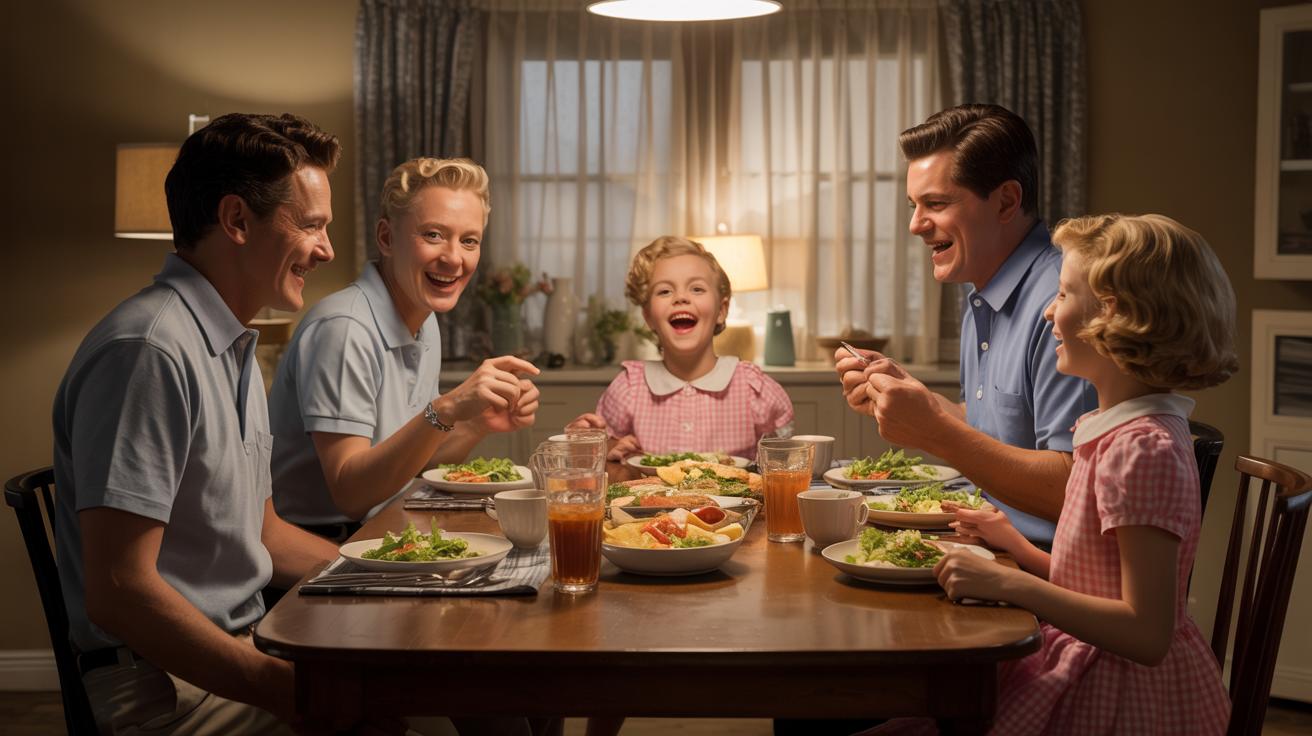
In the 1950s, the kitchen was the heart of the home, and home-cooked meals were the norm. Families gathered around the dinner table to enjoy meals made from fresh ingredients, fostering both health and connection. Unlike today’s fast-food culture, the emphasis on cooking at home provided a diet rich in nutrients and free from preservatives.
Preparing meals from scratch allows you to control what goes into your body. Whole foods, lean proteins, and vibrant vegetables were staples in the ’50s diet, contributing to better health outcomes. Embracing this practice today can significantly reduce processed food intake, leading to improved digestion and energy levels.
Consider planning weekly meals around seasonal produce and experimenting with recipes passed down through generations. Not only will you benefit from healthier eating habits, but you’ll also revive the art of cooking and bring a touch of nostalgia to your dining experience.
Embrace Physical Activity as a Lifestyle
The ’50s were a time when physical activity was naturally integrated into daily life. People walked more, engaged in outdoor activities, and physical education was emphasized in schools. Unlike today’s sedentary lifestyle dominated by screens, the physical culture of the ’50s promoted longevity.
Incorporating regular exercise doesn’t have to be daunting. Start by finding activities you enjoy—whether it’s dancing, gardening, or hiking. The key is consistency and making movement a part of your daily routine. By doing so, you not only improve cardiovascular health but also boost mental well-being.
Reflecting on the past, we see that a physically active lifestyle was less about structured workouts and more about enjoying life through movement. How can you inject joy and energy into your exercise routine?
Value Sleep as a Sacred Ritual
In the 1950s, the importance of a good night’s sleep was well understood. Unlike today’s 24/7 culture, people prioritized rest, recognizing its role in maintaining health and vitality. Restorative sleep was a cornerstone of their daily routine.
Creating a sleep-friendly environment is essential for achieving quality rest. Regular sleep schedules, comfortable bedding, and a calm bedroom atmosphere can contribute to better sleep hygiene. Disconnecting from technology before bedtime and allowing your mind to unwind can significantly improve sleep quality.
By viewing sleep as a sacred ritual, as it was in the ’50s, we can enhance our physical and mental resilience. What steps can you take to transform your nighttime routine into a haven for relaxation and renewal?
Cultivate Social Connections
Community and social connections were integral to the ’50s lifestyle. Neighbors knew each other, families spent quality time together, and there was a strong sense of belonging. Today, nurturing these relationships can provide emotional support and a sense of purpose, key components of longevity.
Make an effort to reconnect with loved ones and engage in community activities. A simple phone call, a shared meal, or participating in local events can strengthen bonds and foster a supportive network. Social interactions help reduce stress, improve mood, and even boost immune function.
As we navigate the complexities of modern life, how can we prioritize these invaluable connections and create a community that thrives on mutual support and understanding?
The lessons from the 1950s offer a blueprint for a healthier, more fulfilling life. By revisiting these timeless principles—home-cooked meals, physical activity, restful sleep, and social connections—we can enhance our well-being and longevity. As you reflect on these insights, consider which adjustments resonate with your lifestyle and how you can incorporate them into your daily routine. What steps will you take to embrace the wisdom of the past and create a healthier future for yourself and your loved ones?