“Animals See Colors We Can’t”: Explore how some creatures perceive the world in ways humans only dream of.
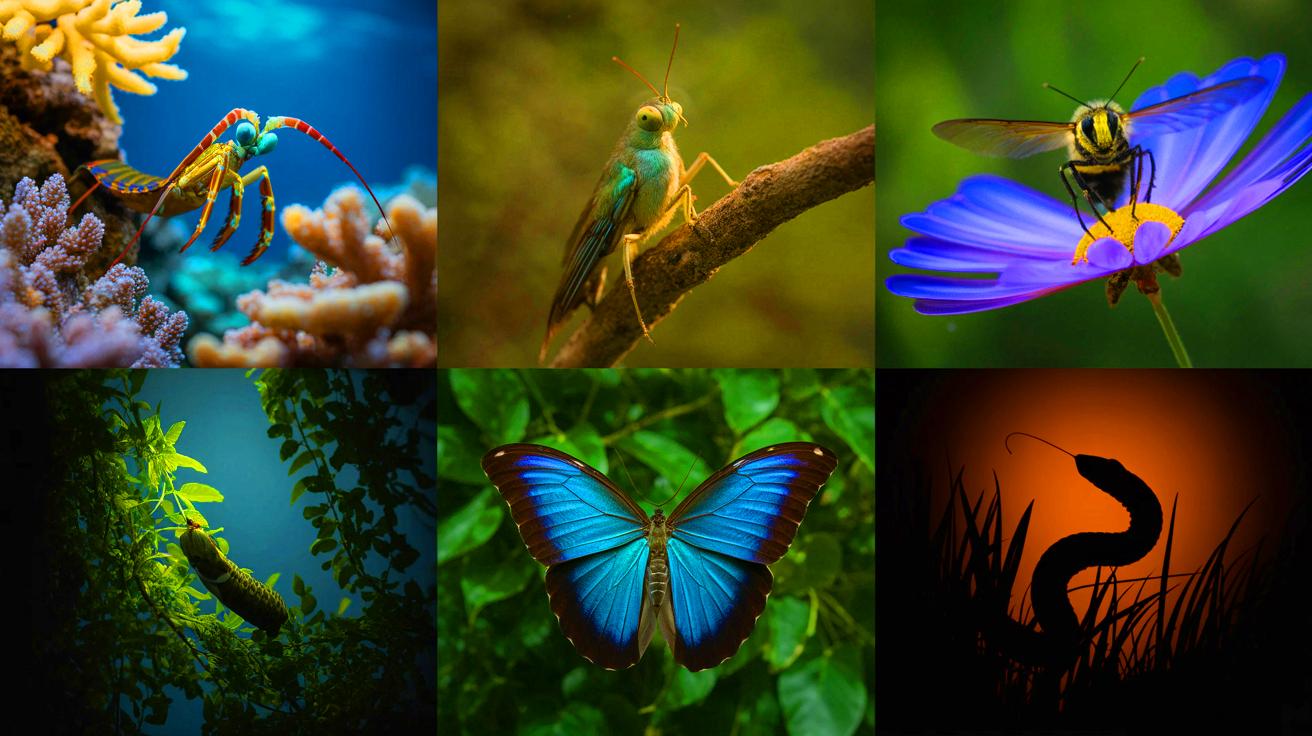
Explore the hidden spectrum of nature's vision: A kaleidoscope of life revealed through the vivid colors and unique perceptions of diverse creatures, each experiencing the world in ways beyond human imagination.

Discover the fascinating world of animal vision in our latest blog post. Explore how creatures like the mantis shrimp, birds, bees, butterflies, and reptiles perceive colors and wavelengths beyond human capability. Uncover the unique adaptations that allow these animals to navigate their environments using ultraviolet, infrared, and polarized light, and learn why this extraordinary sensory diversity is crucial for their survival. Dive into a vibrant narrative that challenges our understanding of sight and reveals the unparalleled beauty of the natural world.

“You Can’t Really See in 3D”: Discover the illusion that makes depth perception possible.

A silhouette of a person stands in awe at the edge of a vast canyon, perfectly capturing the drama and grandeur of nature through the illusion of depth perception, beautifully emphasized by cinematic lighting and vibrant colors.

Discover the fascinating illusion behind depth perception in this compelling article. Explore how the brain transforms 2D images into a three-dimensional experience using binocular and monocular cues. Understand the role these cues play in everyday life, from art and technology to driving and sports. Delve into the advancements that mimic human perception, such as 3D movies and autonomous vehicles, and gain a deeper appreciation for the intricate workings of human vision.

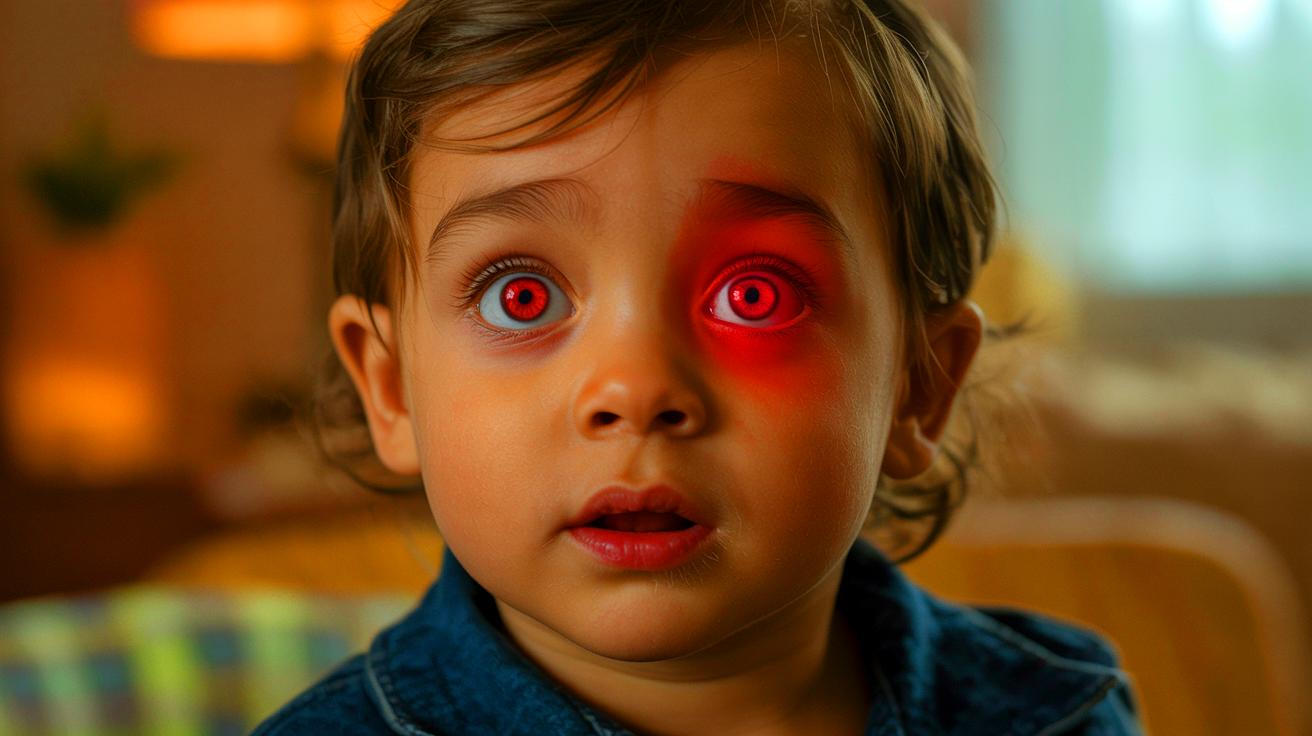
“Red Eyes in Photos? It’s Not What You Think”: Uncover the real reason your eyes glow red in flash photography.

A beautifully captured moment illustrating the red-eye effect in a child's portrait, revealing the scientific marvel behind this common photographic phenomenon.

Discover the true story behind the red eye effect in photos and why it’s more than just a pesky glitch. This article explores the science and myths surrounding red eyes, particularly in children, and offers practical tips for capturing the perfect shot without unwanted reflections. Uncover the unexpected beauty captured in a flash, and learn how to transform common imperfections into fascinating photo features.

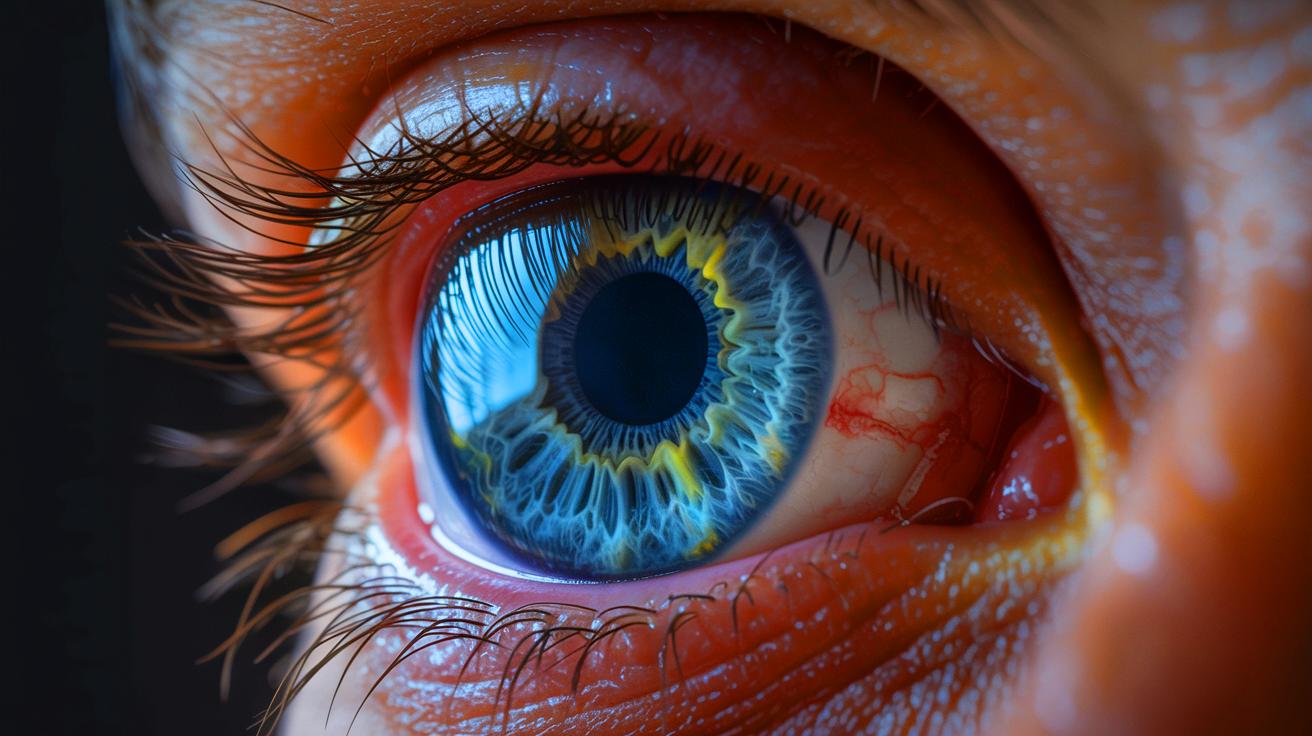
“Your Eyes Have Their Own Immune System”: Find out how your body keeps these sensitive organs safe.

The captivating intricacies of the human eye, revealing its vibrant colors and textures, symbolize the wonder of its natural defense system.

Discover the fascinating world of your eyes’ unique immune system. Learn how ocular immune privilege, antimicrobial proteins, specialized cells, and chemical mediators work together to keep your eyes safe and vision clear. Delve into the intricate defense mechanisms that protect these vital organs from threats while maintaining their astonishing complexity and beauty.

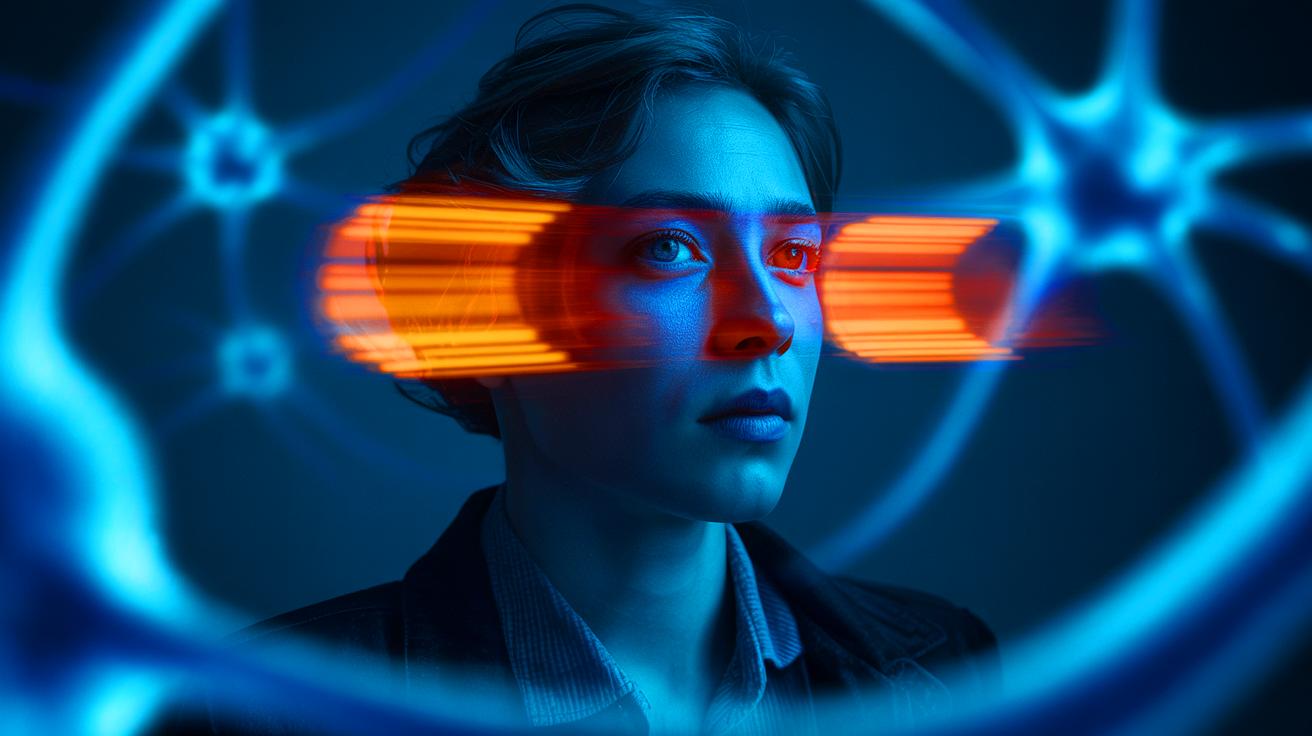
“Eye Movements Lead to Memory Boosts”: Learn why rapidly moving your eyes from side to side can have surprising cognitive benefits.

A person intensely engaging in side-to-side eye movements, symbolizing the connection between visual actions and enhanced memory, set against a backdrop of abstract neural patterns.

Explore the fascinating link between lateral eye movements and memory enhancement. Discover how simple eye exercises can boost cognitive performance, improve recall, and offer additional mental benefits. Uncover scientific studies supporting these techniques, and learn how to integrate them into everyday practices for optimal memory retention and cognitive well-being.

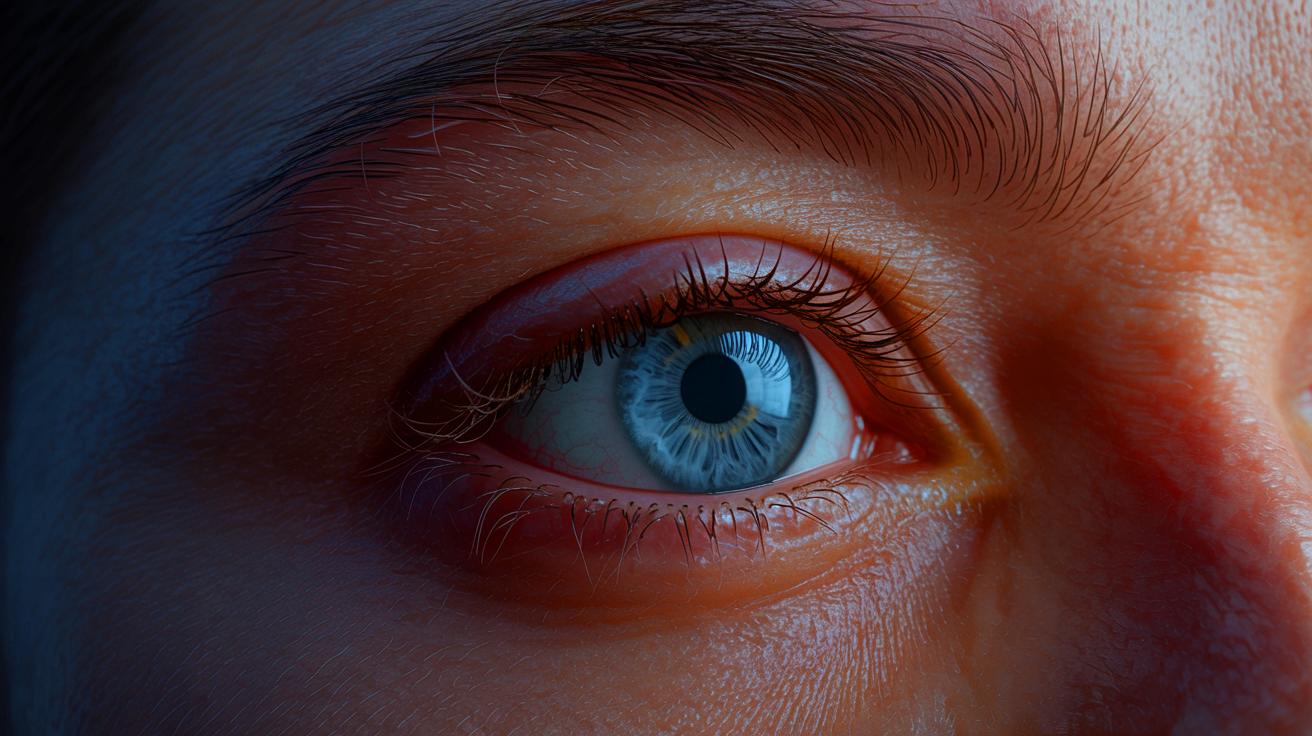
“Blinking Is More Than Meets the Eye”: Discover the important, hidden roles this common reflex plays in health and concentration.

A captivating close-up of a human eye mid-blink, showcasing the intricate beauty and complexity of this simple yet essential reflex.

Explore the hidden roles of blinking in this enlightening article, revealing its impact on eye health, concentration, emotional insight, social connection, and even health diagnostics. Discover how this simple reflex goes beyond a mere physical action to influence our well-being and interactions.