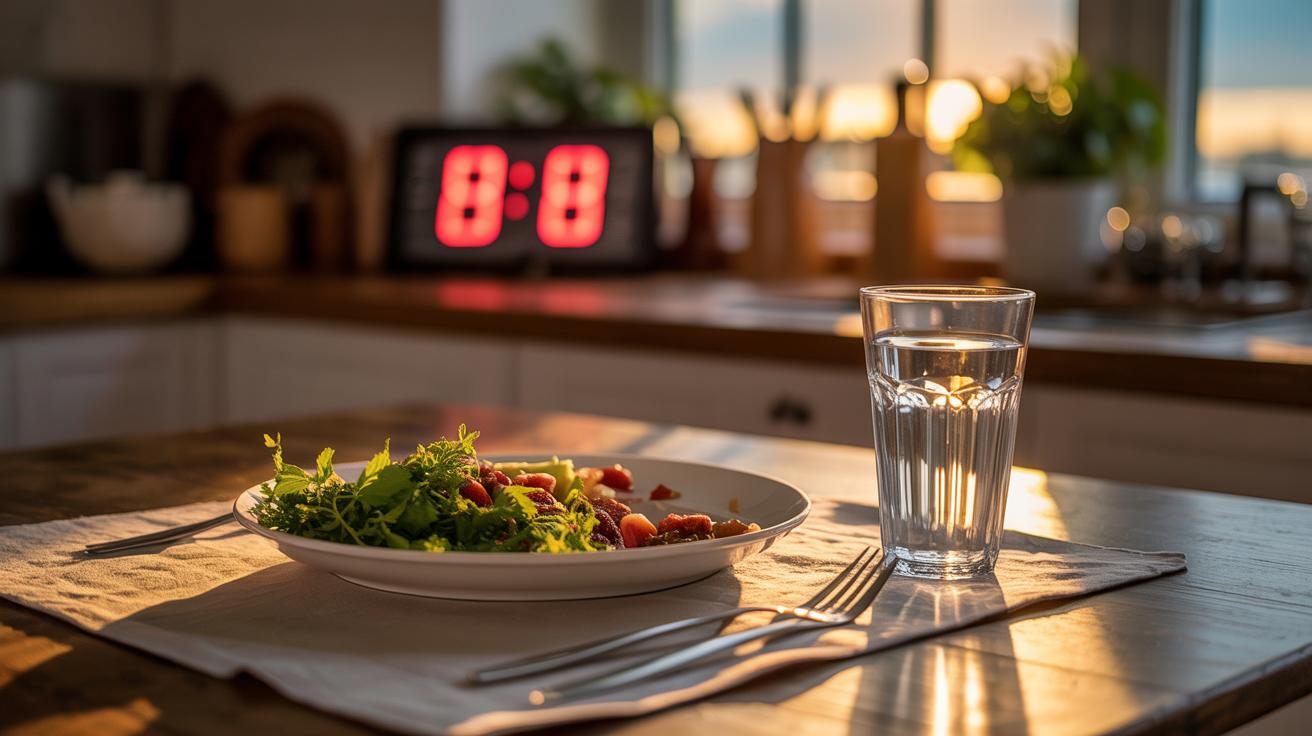
What You Need to Know
- 🌟 The 16:8 intermittent fasting model involves fasting for 16 hours and eating within an 8-hour window, aligning with natural circadian rhythms for improved health.
- 🧠 Scientific research supports benefits like enhanced insulin sensitivity, reduced inflammation, and the process of autophagy, which promotes cellular health and longevity.
- 💬 Real-life stories of transformation highlight personal successes such as increased energy levels, better blood sugar control, and improved mental clarity, showcasing the holistic impact of this fasting method.
- 🛠️ Challenges include initial hunger and mood changes, potential social conflicts, and the need for a balanced diet during the eating window, emphasizing the importance of personalized approaches and healthcare consultations.
- 🔍 Weigh the method’s flexibility and health benefits against potential drawbacks to determine if it suits your lifestyle, as experimentation could unlock a new, healthier rhythm.
There’s a quiet revolution taking place in kitchens and dining rooms across the globe, a movement that challenges the conventional wisdom of “three meals a day.” People, driven by the need for better health and greater energy, are turning to the 16:8 intermittent fasting method, a structured eating pattern that has captured the imagination of many. As stories of transformation proliferate, more and more are asking, Could this be the answer to our modern dietary woes? With its proponents celebrating improved well-being, the 16:8 revolution deserves a closer look at the science and experiences propelling its popularity.
Understanding the 16:8 Method
The 16:8 intermittent fasting method is simple yet profound: it involves fasting for 16 hours a day and consuming all of one’s food within an 8-hour window. This structure appeals to those seeking a manageable path to healthfulness without the need for strict calorie counting. By aligning with natural rhythms, advocates suggest the method is both sustainable and effective. This fasting period typically covers sleep, meaning that for many, it may entail skipping breakfast and eating between noon and 8 PM.
Why is this method gaining traction? Beyond its simplicity, the 16:8 method is reputed to harmonize with the body’s circadian rhythm, optimizing metabolism and energy use. Research indicates potential benefits, including weight loss, improved blood sugar control, and enhanced mental clarity. For many, however, its true appeal lies in the psychological freedom of not constantly thinking about food, shifting focus instead to mindful eating and nourishment.
The Role of Science in Supporting Fasting
Scientific exploration into the 16:8 fasting model uncovers its alluring potential. Studies suggest that fasting triggers important physiological responses like autophagy, where cells clean out damaged components, promoting health and longevity. This cellular cleansing process is foundational in warding off disease and keeping the body operating efficiently.
Additionally, insulin sensitivity appears to improve, potentially reducing the risk of type 2 diabetes, a modern health crisis. A noteworthy aspect of the 16:8 approach is its impact on inflammation; reduced markers of inflammation have been observed in participants, potentially decreasing the risk of chronic illnesses such as heart disease. These scientific findings, combined with anecdotal success stories, paint a compelling picture of fasting as more than a mere diet—it’s a lifestyle capable of profound healing.
Stories of Transformation: Real People, Real Results
The voices of those who’ve adopted 16:8 fasting resonate with stories of transformation. For Mary, a 45-year-old teacher, the method offered a way to reclaim her vitality after battling fatigue for years. “It wasn’t just about losing weight, although that happened too,” she shares. “I felt alive again, more energetic than I had been in decades.”
Then there’s John, who sought 16:8 fasting as a way to manage his prediabetes. Within months, his blood sugar levels were stable, and his doctor marveled at his progress. The simple act of restructuring meal timing proved pivotal in his journey to health. Such testimonials underscore the personal impact of 16:8 fasting, demonstrating its potential to support diverse health goals and extend beyond physical changes, offering mental clarity and emotional balance as well.
Challenges and Considerations
While the 16:8 method holds promise, it is not without its challenges. Adapting to a new eating schedule can initially lead to hunger and mood fluctuations, requiring patience and adjustment. Social dynamics may also complicate adherence, with typical meal timings sometimes clashing with a person’s fasting window.
- Initial hunger and irritability during adaptation
- Potential social and meal-timing conflicts
- Risk of overeating during the 8-hour window
- May not be suitable for everyone, such as individuals with specific medical conditions
Furthermore, it’s crucial that the 16:8 regimen is approached with a balanced diet, ensuring nutritional needs are met. Consulting a healthcare provider is advisable to tailor the approach to individual health requirements, setting the ground for a sustainable, beneficial experience.
Is 16:8 Right for You? Weighing the Benefits and Drawbacks
As with any lifestyle change, contemplating 16:8 fasting involves balancing its advantages against potential drawbacks. The advantages include ease of implementation, flexibility, and numerous health benefits. Conversely, the drawbacks can include social inconvenience and the potential challenges of maintaining discipline. The decision hinges largely on personal goals, lifestyle compatibility, and health conditions.
For those intrigued, experimentation guided by medical advice can be enlightening, offering insights into how this structured pattern can integrate into and potentially enhance one’s daily life. Delving into this method is about discovering whether the rhythm of fasting resonates with one’s own tempo and health aspirations.
The 16:8 revolution is an intriguing shift in the dietary landscape, blending tradition with modern scientific insights. As you consider embarking on this path, reflect on how reshaping your eating schedule might impact your daily routine and overall health. Are you ready to join this transformative journey and unlock a new rhythm to your life? How might integrating 16:8 fasting change your approach to nourishment and well-being?
How does one deal with the hunger during the 16-hour fasting period? 🤔
Thanks for sharing this! I’ve been considering starting 16:8, and this post is exactly what I needed to read. 😊
Is it true that this dieting method can help improve mental clarity? I’ve been struggling with focus lately.
My only question is: how manageable is the social aspect of the 16:8 fasting schedule?
This sounds great in theory, but does anyone have personal experiences with platueas or stalls?
Wait, so people actually have the willpower to not eat for 16 hours? 🤯
I heard about autophagy in a podcast, but still not sure if it’s legit. Can someone explain?
Just started 16:8 and already feeling less bloated. Hope it sticks!
What’s the science behind fasting improving insulin sensitivity?
This diet really taught me to eat more mindfully and appreciate my meals.
How do people manage dining out or social events with the 16:8 timing?
I’ve seen posts about improved energy levels—what have people’s experiences been like?
Has anyone tried 16:8 alongside keto for even more results?
Thank you for all the tips for beginners. Going to give it a try next week. 😊
The 16:8 method seems to align perfectly with my work schedule. Excited to start!
This sounds intriguing, but how do I avoid overeating in the 8-hour window?
What kind of meals do you typically eat during the 8-hour window?
So you mean I can skip breakfast and call it a health trend? Sign me up! 😂
This approach feels natural to me. Who else shares that feeling?
I tried 18:6 fasting previously, and 16:8 sounds way more feasible.
16:8 helped me curb late-night snacking habits. Anyone else?
How does it fit for people with a highly active lifestyle or athletes?
This post is a good reminder that diet isn’t a one-size-fits-all!
What do health professionals generally think about this kind of fasting?
I’m concerned about long-term sustainability over practical benefits. Any insights?
Dietitian here—don’t forget balanced meals during your feeding window!
I understand the science, but does it really promote weight loss better than calorie counting?
Thank you for detailing potential challenges. It’s important to be informed. 😊
Did anyone experience any negative side effects when they first began?
16:8 seems strict. Has anyone modified the hours for better personal fit?
Lol, what about coffee during the fasting window? Need that caffeine! 😉
This is a great breakdown of the 16:8 method. It answered so many questions I had!
It sounds like a lifestyle change that could help me control my blood sugar better.
I’m curious—is the weight loss from this method sustainable?
The emphasis on circadian rhythms is fascinating and makes a lot of sense!
Is there any specific demographic that benefits more from 16:8, like age or metabolism type?
Can you drink as much water as you want during the fasting period?
Thanks for sharing real-life stories. They’re inspiring. 😊
Are there specific health conditions that make this diet inadvisable?
Sleeping through half the fasting window is sneaky clever! 😂
I love tracking my fitness progress—how do others measure success with 16:8?
So interesting! The idea of reducing inflammation with fasting is new to me.
What’s the best way to handle a stall in progress when fasting?
Social situations are my toughest challenge. Any tips for dining with friends?
The transformation stories are really motivating. Maybe I’ll start tomorrow! 😊
Anyone use 16:8 fasting to improve their mental clarity with studying?
Do you always skip breakfast, or can you adjust your eating window sometimes?
16 hours sounds long… how do you keep your willpower strong? 💪
The feeding window can vary, but what time do most people prefer to eat?
Any fun snack ideas for that eating window? Variety keeps things interesting! 😊
My doctor recommended 16:8 fasting, but I’m curious what others think.
This seems like it might complicate family meal times. Any advice?
Couldn’t do without my midnight snack… any other snackers overcome this?
It’s strange how eating less can make you feel more energized!
Appreciate the health insights. Good to know science backs this lifestyle.
For anyone with experience, how long did it take to adapt to 16:8?
The benefits sound great, but I imagine the hunger pangs initially are rough.
16:8 has been great for me! It forced me to rethink what real hunger feels like.
Any advice for those of us who love late-night cravings?
Some claim improved mental clarity—has anyone noticed a specific cognitive improvement?
The circadian rhythm thing convinced me. I’ll give it a go. 😊
Is it okay to adjust the eating window based on weekends vs. weekdays?
16:8 fits my messy schedule better than any strict diet ever did.
I know fasting induces ketosis—how long into fasting does this typically occur?
This approach is genius for those who dislike strict calorie counting.
Seems more like a lifestyle than a diet. I like that perspective shift.
How does this affect strength training and muscle recovery?
LOL fasting, but not fasting? This is confusing! 😂
I can’t get my head around skipping breakfast, but maybe it’s time to try. 😊
The concept of cellular health via fasting is mind-blowing! What’s next? 😄
Do teenagers benefit from 16:8 or should it be an adult-only strategy?
A friend got incredible results—might just change my meal-times to match! 😊
I struggle with energy levels, especially in the afternoon. Can this help?
This post opened my eyes to the science behind meal timing. Thank you!
I love numbers. What are the measurable results of 16:8 on weight and metabolic rate?
16:8 makes a lot of sense for metabolism—it kinda feels like a natural habit!
For those who fast, do you still take vitamins or nutrients during the 16 hours?
This sounds like a sustainable pattern, but I fear potential rebounds… any advice?
It’s great to see scientific studies supporting a diet method. Makes it easier to trust. 😊
I am proud of my fasting journey with 16:8. Best life decision I’ve ever made! 😍
Can fasting help with issues like bloating or water retention?
Need to research more, but I felt curious right after learning about improved insulin sensitivity. 🤔
I’d love to dive into this phenomenon. Next question—is there a fasting community online?
The balance between fasting and feasting feels quite medieval, doesn’t it? 😆
Do high-stress jobs affect the fasting process or outcomes?
The flexibility always intrigued me. Means every person’s fasting journey can be unique!
Totally unrelated, but this is the kind of thing I’d love to chat about over a coffee! ☕️
Heard about fasting podcasts—any recommendation for a good listen?
Planning on starting next week, determined to see for myself these fasting effects!
16:8 brings back control and mindfulness to food. Has anyone else noticed this? 😊
The concept of metabolic harmony is appealing. Consider me intrigued!
How do you maintain your fasting schedule on holidays or vacations?
The success relies on discipline, yes—but is any support community recommended?
Imma try this 16:8 thing, hopefully, without botching my work schedule.
Wondering aloud here: Could fasting like this assist healing internal imbalances? 🤔
Tired of constant calorie counting though… might explore this 16:8 style!
16:8 sounds like intermittent fun, especially if you enjoy skipping meals! 😂
Adapting to this method is testing, but one feels truly rewarded in the end. 😊
Nice to find that fasting is getting respect beyond simple dieting. 😊
Collating some stuff for a legacy family recipe cookbook—does the 16:8 count? 😆
I guess intermittent fasting really is the new cultural tantrum on tossing away breakfast! 😂
Can I include teas or herbal drinks during my fasting hours?
Method recognized! I felt my health records needed the intervention long before. 😊
Welp, time to conquer ‘hangry’ during the adaptation phase! 🤣
16:8 isn’t a radical diet, more like an ancient way reformulated, right?
Printed this list to follow whenever I slack—motivation wallpaper, folks! 😄