What You Need to Know
- 🌟 Our eyes are highly sensitive to blue light due to its short wavelength, affecting our visual recognition and melatonin secretion.
- 📱 Digital screens have made blue light ubiquitous in our lives, leading to potential issues like digital eye strain and sleep disruption.
- 🛡️ Practical tips to minimize exposure include using blue light filters, protective eyewear, and the 20-20-20 rule.
- 🌤️ Blue light in nature is beneficial for regulating circadian rhythms and boosting mood, but excessive technological exposure can be harmful.
- 🔍 Understanding blue light’s impact can help us develop better habits to balance technology use and enhance overall well-being.
Have you ever wondered why your electronic screens glow with a mysterious, almost mesmerizing hue? This color, which effortlessly cuts through the darkness, is none other than blue light. Known for its ability to stay awake long after the sun has set, blue light illuminates our lives around the clock. Yet, the story of why our eyes are uniquely sensitive to these wavelengths delves deep into both the fascinating intricacies of human biology and the ever-changing nature of our modern lives. Join us as we explore the science, the impact, and the techniques to manage blue light exposure effectively.
The Science Behind Blue Light Sensitivity
Our eyes have evolved over millions of years to acclimate to the natural world, yet they remain remarkably sensitive to blue light. This sensitivity arises from the color’s short wavelength, which varies between 400 to 495 nanometers. This range is precisely enough to scatter and refract easily, making blue light more pervasive than other colors. Photoreceptors in our retinas are particularly responsive to these shorter wavelengths, intensifying our visual recognition of blue light.
The intricacies of eye sensitivity, however, don’t just stop at biology; they impact our sleep and productivity levels. Blue light suppresses the secretion of melatonin, a hormone that regulates sleep cycles. As a result, exposure to blue light, especially during the evening, can disrupt our natural sleep-wake pattern, leading to sleep issues and fatigue. This inherent sensitivity, while a marvel of evolution, might become a challenge in our digital era.
Modern Life and Blue Light Exposure
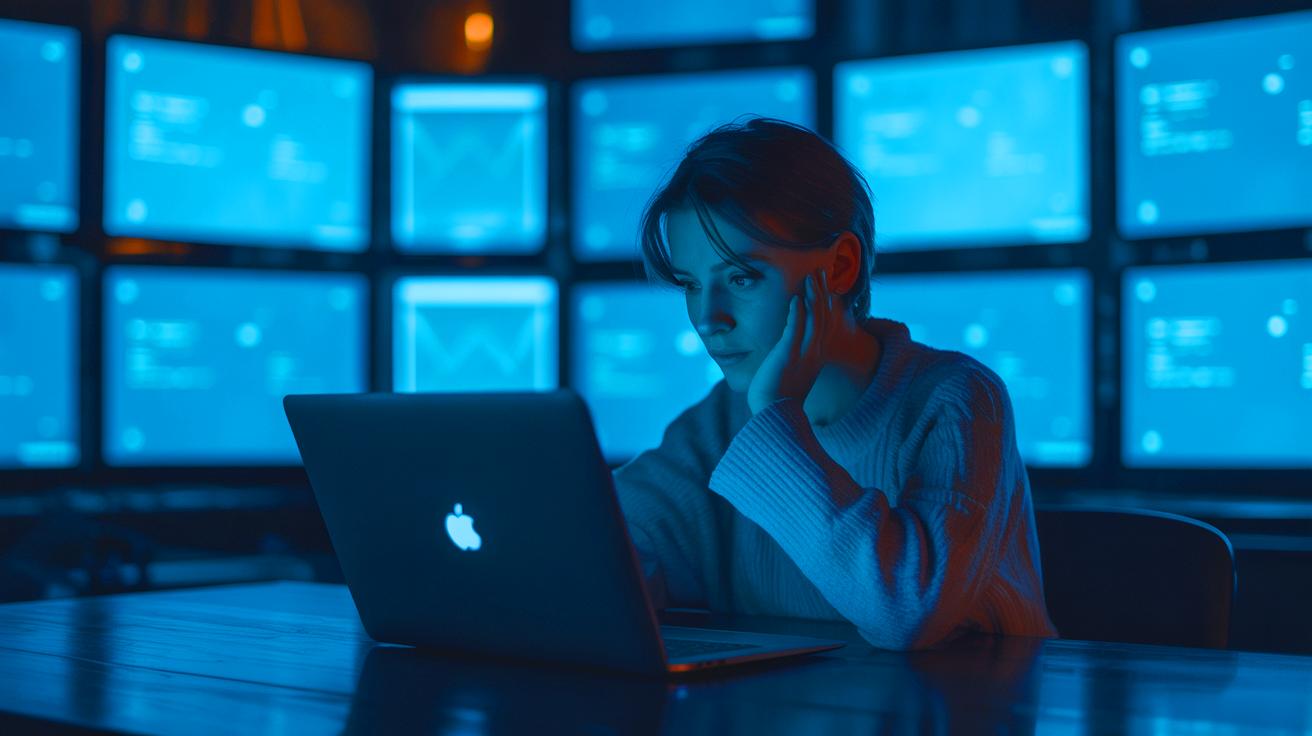
Blue light has stealthily become a staple of our daily routines due to the digital screens that dominate modern life. Whether it’s the quick glance at your phone, extended hours on the laptop, or unwinding with your favorite TV show, blue light is omnipresent.
This incessant exposure raises questions about long-term effects on our vision and health. Research has shown that prolonged blue light exposure can contribute to digital eye strain, characterized by symptoms like dryness, irritation, and blurry vision. Moreover, potential links are being studied between extensive blue light exposure and more serious vision problems over time. In this digital age, gauging our screen time becomes paramount, prompting us to adopt balanced technology use.
Practical Tips for Minimizing Blue Light Exposure
While entirely avoiding blue light is impractical, especially under artificial lighting, there are proactive measures we can take to reduce exposure. Here are key strategies:
- Use blue light filters: Many devices now come with built-in settings or downloadable apps to filter out blue light.
- Wear protective eyewear: Special glasses can block or filter blue light, reducing its impact during prolonged screen time.
- Implement the 20-20-20 rule: To combat eye strain, every 20 minutes, look at something 20 feet away for at least 20 seconds.
- Adjust your environment: Consider dimming ambient lights and limiting screen brightness during nighttime use.
Blue Light in Nature vs. Technology
It is important to remember that blue light is not inherently harmful; in fact, it plays a beneficial role in nature. Daylight, which naturally comprises a large portion of blue light, helps boost alertness, elevate mood, and regulate our circadian rhythm. However, the problem arises when this naturally beneficial light turns invasive due to technology.
In our digital age, the intensity and duration of blue light exposure far exceed those that would naturally occur. While technology enhances convenience and connectivity, it also necessitates more screen time, transforming blue light into a ubiquitous challenge to modern life health.
As you reflect upon the omnipresence of blue light, consider its true impact on your daily life. Implementing small changes might greatly influence your well-being and comfort. How might you integrate these insights into your day-to-day experiences and emerge with a healthier balance between technology and well-being?
Wow, I had no idea blue light could affect my sleep so much. 😮 Time to adjust my screen settings!
Are there any natural ways to combat the effects of blue light without using technology?
Fantastic read! Thanks for sharing these useful tips. 😊
I knew about digital eye strain, but the impact on sleep? That’s new to me.
Lol, “blue light never sleeps” – sounds like the title for a sci-fi movie! 😄
Maybe I should finally invest in those blue light blocking glasses.
This explains why I struggle to sleep after binge-watching shows on my laptop.
Is blue light exposure the same from all electronic devices, like tablets, phones, and TVs?
Such an interesting post! I’m definitely going to try out the 20-20-20 rule.
All those years of staring at screens… 🤔 Does this mean I should get regular eye check-ups?
I love how you explained the science behind it. Very enlightening! Pun intended.
It sounds like blue light is like that double-edged sword. Some benefits but mostly issues, huh?
So glad I stumbled upon this. Time to rethink my late-night scrolling habits!
Can drinking more water help with digital eye strain or is it unrelated? 🧐
This article is eye-opening, in more ways than one! 😎
I didn’t even know about the melatonin connection. Thanks for the insight!
Do kids face the same risks with blue light or are they more adaptable since they’re growing up with it?
What’s the best app for blue light filtering? Any recommendations?
Wow, blue light is sneaky. I wonder if it contributes to headaches too?
Has anyone else noticed the difference in sleep when using blue light glasses at night?
LOL, technology is out to mess with our sleep patterns. Modern problems, am I right? 😆
Good stuff! I’m learning a lot here. Great content as always!
So, is the “night mode” on phones enough to counteract blue light exposure?
I’m amazed by how interconnected everything is in our bodies and environment.
How does blue light affect people with existing eye conditions like astigmatism?
I can’t remember when I last took a break after 20 minutes of screen time. Oops.
Is it possible for too much blue light to cause permanent eye damage?
This is such an important reminder in our screen-heavy world. Thank you!
Maybe there’s an opportunity for some “green light” screens in the future? 🌿
Does anyone else have tips for reducing blue light, or is what’s here enough?
I see more people with glasses these days, and I wonder if blue light has a part in that.
Very informational! I’ll definitely be sharing this with my screen-addicted friends.
Seems like screens are the new villains. First posture issues, now eyes! 😂
Good question about kids’ exposure. I think they’re even more at risk. 😟
Weird question, but can you “overdo” it with blue light blocking, like needing some exposure?
What do blue light filters do exactly? Just block the blue, or soften other colors too?
I wonder if early humans had a “blue light” effect from sitting around campfires, kinda?
Nice tip about adjusting screen brightness. It’s easy and makes a big difference!
As if I needed another reason to procrastinate bedtime scrolling through my phone! 😂
Thank you for breaking down such a complex subject into understandable terms. 👍
Are blue light filtering sheets for monitors as effective as glasses and apps?
Forgot about the sun being a source of blue light. Nature got it right first. 😜
Siri, remind me every 20 minutes to take a break! 🤖
Do blue light effects compound if you’re using multiple screens at once?
This definitely clears up why I struggle with focus after long days. Thank you!
What’s the difference between blue light and other types of light in terms of wavelength?
I wonder if reading on paper before bed solves the blue light problem…
Is there a specific time when we should start limiting blue light exposure in the evening?
Any tips for maintaining blue light filters while still keeping colors accurate for work?
Will more manufacturers implement hardware blue light filtering or just software solutions?
Remember when we worried more about UV rays? Now we’ve added blue light to the list! 😆
Huh, I bet it’s this kind of content leading to more informed tech product decisions.
Do you think workplaces should consider blue light impact more seriously for employee well-being?
I was a skeptic, but I tried blue light glasses, and they’re a life-changer!
The way our eyes have evolved is truly fascinating. Love learning about it!
Is there a health app that can track overall blue light exposure daily?
My eyes definitely aren’t thanking my job for the endless screen time. Time for some tweaks.
Interesting, so that “morning alertness” from daylight is courtesy of blue light?
Does blue light affect pet eyes the same way it does human eyes? Curious pet owner here. 🐶
Can the damage from blue light be reversed, or is it cumulative over time?
So vital we continue crafting content like this as screen use only seems to increase.
Would love to see more strategies like blue light filtering integrated into tech. Innovation ahead!
Came for the tips, stayed for the thorough explanation. Excellent work!
How has blue light understanding evolved over the years with new research?
It’s amazing how something invisible plays such a critical role in our everyday lives.
Can people get tested for their sensitivity levels to blue light in any way?
I’m curious if blue light contributes to changes in mood or anxiety levels?
Seriously considering altering my nighttime tech habits now. Thanks for the wake-up call.
Is wearing blue light glasses all day overkill, or are they better for nighttime only?
Blue light; making us feel “blue” at night. 😉
Is the blue light emitted by LEDs different from that in OLED displays?
This information should be more widely shared, especially with the work-from-home setup gaining popularity.
I read this article first thing in the morning. Blue light bliss? 🌞
Curious if you’ll do a deep dive into other colors of light and their impacts next?
Helpful discussion on how natural light differs from digital. Nature still bests us!
How does screen time impact kid’s development? I wonder if blue light is a factor there too.
I found it interesting that even our screens have such a “colorful” impact on life.
Nice reminder that while some tech is unavoidable, stepping outside can do wonders. 🏞️
If blue light helps regulate mood, more reasons to get outside during the day!
Any recommendations for blue light blocking glasses that are comfortable for long use?
Think this info would be huge for earphone users in front of screens for hours too. Multisensory alert! 📱🎧
Could incorporating more natural light at home combat some negative blue light effects?
Hilarious how we all become “screen angels” after reading something like this! 😇
Changing small habits like this is how you create a bigger change in technology-health balance.
Really valuable insights here. It’s time to rethink how we’ve been conditioned to accept screen time.
I appreciate the actionable steps shared here. More people need this level of guidance.
Since discovering this topic, my perspective on electronic use has completely flipped.
Making sure everyone in the family gets aware of blue light’s impact is incredibly important.
Screen time and blue light are changing how we engage with the world today. Reflect on it!
Great points here. Definitely feel the eye strain after a long day at the office.
I wonder if classroom settings need to adjust lighting to reduce blue light exposure on kids? 🏫
Unique content like this helps us advance our wellness through understanding and adapting. Keep it up!
After reading this, I decided to invest in plant-based blue light filters for my screens.
Understanding blue light should be a priority in our ever-evolving tech landscape. So much at stake!
Little did I know blue light was lurking behind my tired, restless nights! 🍷
Missing natural light due to screen addiction? Let’s be reminded and cherish outdoor experiences more!
Could our homes be designed better to allow natural light and reduce reliance on screens during daylight?
Realizing how much control we have over screen time is both empowering and daunting.
With all these insights, will healthcare recommendations eventually speak more specifically to blue light?
Great reminder to step outside and take a “blue break” now and then! ☀️
Important to see how technology can and does affect our health in unforeseen ways.
Has anyone switched from traditional screens to e-ink devices to reduce blue light exposure?
Higher exposure than natural levels… seems like tech walks a fine line of what’s beneficial and harmful.